Your living room looks half-empty with those empty shelf brackets staring back at you after you’ve cleared everything off. Maybe you’re redecorating, moving to a new home, or finally tackling that paint project you’ve been putting off. Whatever your reason, removing wall mounted shelves seems simple—until you start pulling at hardware and suddenly face crumbling drywall or stubborn anchors that refuse to budge. The wrong technique can leave your walls looking like Swiss cheese, requiring extensive repairs before you can hang anything new. This guide gives you the exact removal methods for every shelf type and wall material so you can take down shelves cleanly and efficiently.
Most DIYers make the critical mistake of rushing into removal without identifying their shelf system first. Floating shelves require completely different handling than bracket-mounted units, and your approach for drywall differs dramatically from concrete walls. By following these proven techniques, you’ll avoid common pitfalls like snapped screw heads, torn drywall paper, or anchors that spin endlessly without releasing. You’ll learn how to remove even the most stubborn installations while preserving your wall integrity and saving hours on unnecessary repairs.
Identify Your Shelf Mounting System Before Starting
Your removal approach depends entirely on how your shelves attach to the wall. Most wall mounted shelves fall into three distinct categories requiring different removal strategies. Floating shelves connect to hidden rails or brackets with no visible supports underneath. Bracket-mounted shelves feature visible metal supports screwed directly into the wall. Track systems use horizontal rails with adjustable vertical supports holding the shelves.
Examine your shelves closely before touching any tools. Look for screw heads along the back edge or underside—if visible, you likely have bracket-mounted shelves. Floating shelves often have small access holes along the bottom edge or require lifting upward before pulling away from the wall. Track systems show horizontal metal rails running parallel to the floor with vertical supports clipped into them.
Never assume how your shelves mount—misidentification causes 80% of wall damage during removal. Test floating shelves by gently lifting one end; if it moves upward before pulling out, it’s rail-mounted. For bracket systems, check if shelves simply rest on supports or have additional screws securing them to the brackets. Take photos of the mounting system before disassembly for reference during wall repair.
Gather the Right Tools for Your Specific Situation
Having improper tools creates more damage than the removal process itself. For standard drywall installations, you’ll need a complete screwdriver set with both Phillips and flathead options, a pry bar or thin putty knife, needle-nose pliers, and a stud finder. A power drill with screwdriver bits dramatically speeds up stubborn screw removal. Keep safety glasses and work gloves nearby to protect against flying debris.
Concrete or brick walls require specialized equipment. You’ll need a hammer drill with masonry bits matching your anchor sizes, a rotary hammer for heavy-duty installations, and possibly a cold chisel for particularly stubborn anchors. Never attempt concrete removal with standard drills—the vibration and torque will damage your tools and potentially crack surrounding masonry.
Organize your tools before starting. Lay everything within arm’s reach on a drop cloth to prevent losing small hardware. Have containers ready for screws and anchors sorted by location—this helps if you plan to reinstall shelves later. Most professionals keep a small flashlight handy to illuminate shadowed areas behind shelves where hidden screws often lurk.
Remove Floating Shelves Without Drywall Damage

Floating shelves cause the most wall damage during removal because their mounting hardware stays hidden. Most systems use a rail-and-hook mechanism requiring specific disengagement before pulling the shelf away. Start by examining the shelf ends and underside for small access holes—these typically release locking pins when pressed with a thin tool.
For shelves without visible release points, try lifting upward 1-2 inches while pulling away from the wall. Apply even pressure across the entire shelf—if one side lifts higher, guide it carefully to prevent binding. Never yank floating shelves straight out; this tears drywall anchors and cracks shelf edges. If the shelf won’t budge, check for hidden screws along the back edge covered by decorative caps.
When anchors resist removal, push them completely behind the drywall rather than forcing extraction. Use a small punch tool to drive stubborn anchors through the wall cavity—this creates a larger hole but prevents anchor remnants from protruding through the surface. After removal, inspect the wall for cracks radiating from anchor points; these require immediate repair before they spread.
Extract Bracket-Mounted Shelves Safely
Bracket-mounted shelves seem straightforward but often hide complications. First determine if shelves simply rest on supports or have additional fasteners. Look for small screws along the shelf’s back edge or underside where it meets the bracket arms. Some systems use hidden clips that require pressing a release tab before lifting the shelf.
For shelves resting freely on brackets, lift one end slightly and slide it toward that bracket to disengage. Repeat from the opposite side until the shelf clears both supports. If the shelf feels stuck, don’t force it—search for additional fasteners first. Many DIYers crack shelf edges by prying against the wall when a simple hidden screw would have released the unit.
Remove brackets systematically from top to bottom. Keep your screwdriver perpendicular to each screw head to prevent stripping. When screws spin freely without backing out, the anchor behind is likely rotating too. Grip the anchor flush with the wall using needle-nose pliers while turning the screw counterclockwise. For brackets attached directly to studs, simply remove all screws—the bracket should come free cleanly with minimal wall damage.
Handle Track Shelving Systems Correctly
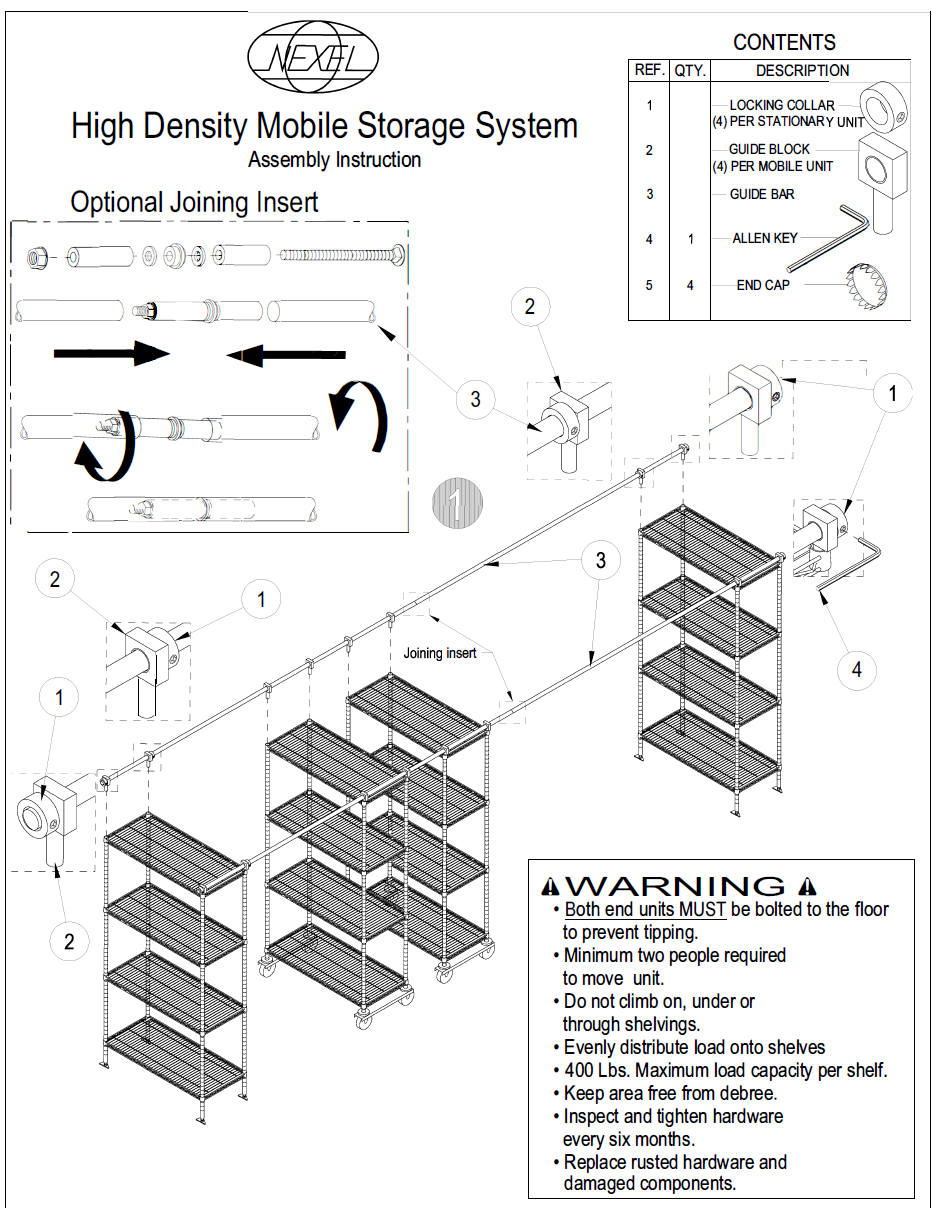
Track systems require removal in precise sequence to prevent damage. Start by lifting shelves straight up off their support brackets—most hook onto arms and simply lift off. Some require pressing release tabs before vertical movement. Remove all shelves first before touching the vertical supports.
Next, disengage vertical standards from the horizontal track. Locate the small plastic or metal clips near each standard’s top that secure it to the rail. Press these clips while pulling the standard away from the track. Some systems require lifting standards slightly before releasing. Remove all vertical supports and collect any shelf arms attached to them.
Finally, address the horizontal track itself. Remove mounting screws systematically from one end to the other. When screws spin freely, hold the anchor behind with pliers while turning. For tracks spanning multiple studs, expect some screws to hit framing—these typically remove cleanly without anchor complications. Once all screws are out, carefully pull the track away from the wall, supporting its full weight to prevent drywall tearing.
Repair Wall Damage Immediately After Removal

Ignoring wall damage after shelf removal leads to worsening problems. Small screw holes need immediate attention before dust and moisture work into the drywall. Clean each hole thoroughly with a vacuum, then fill with spackling compound using a putty knife. Press firmly to ensure complete hole filling, then scrape excess compound flush with the wall surface.
For anchor holes larger than 1/4 inch, apply self-adhesive mesh patch before spackling. This prevents compound from falling into the wall cavity and provides reinforcement for future use. Apply mesh patch centered over the hole, then spread joint compound over it, feathering edges smoothly into the surrounding wall. Allow 24 hours drying time before sanding.
When brackets left significant damage, use the “California patch” method for seamless repairs. Cut a piece of drywall slightly larger than the damaged area. Trace its outline onto the wall, then cut along this line with a utility knife. Remove the damaged section and attach your patch with drywall screws to existing studs. Apply joint tape over seams, then two thin coats of compound, sanding between applications for professional results.
Prevent Common Removal Mistakes That Damage Walls
Most wall damage occurs from three preventable errors during shelf removal. Forcing shelves that won’t release immediately creates cracks radiating from anchor points. Using improper pry tools like butter knives or screwdrivers gouges drywall surfaces. And attempting to remove shelves while still loaded causes sudden shifts that tear anchors from walls.
Always work methodically and patiently. If a shelf resists removal, stop and reassess—search for hidden fasteners before applying additional force. Use dedicated drywall repair knives rather than improvised tools when separation is needed. And never skip the critical step of completely clearing shelves before starting removal.
When anchors spin endlessly without releasing, push them completely behind the wall rather than continuing to turn screws. This creates a larger hole but prevents anchor remnants from protruding through the surface, which causes far worse cosmetic damage. For stubborn hardware, apply penetrating oil and wait 15 minutes before attempting removal—this often frees rusted or corroded fasteners without damaging surrounding material.
Removing wall mounted shelves properly doesn’t require professional skills, but it does demand the right approach for your specific installation. By identifying your shelf type first, gathering appropriate tools, and following these precise removal techniques for your wall material, you’ll avoid the most common pitfalls that lead to expensive repairs. Whether you’re dealing with lightweight floating shelves or heavy-duty track systems, these proven methods ensure clean removal with minimal wall damage. With shelves gone and repairs complete, your walls will be ready for fresh paint or new decor installations without visible reminders of previous storage solutions.