Wall mounting your television transforms your living space by eliminating bulky stands, reducing visual clutter, and creating a sleek, modern aesthetic. The right mount does more than hold your TV—it fundamentally shapes how you experience entertainment in your home. With multiple different types of TV wall mounts available, selecting the perfect solution requires understanding how each type functions and which best matches your specific viewing habits, room layout, and design preferences. This guide breaks down every major mount category so you can make an informed decision that enhances both functionality and style.
How Fixed TV Wall Mounts Create Minimalist Magic
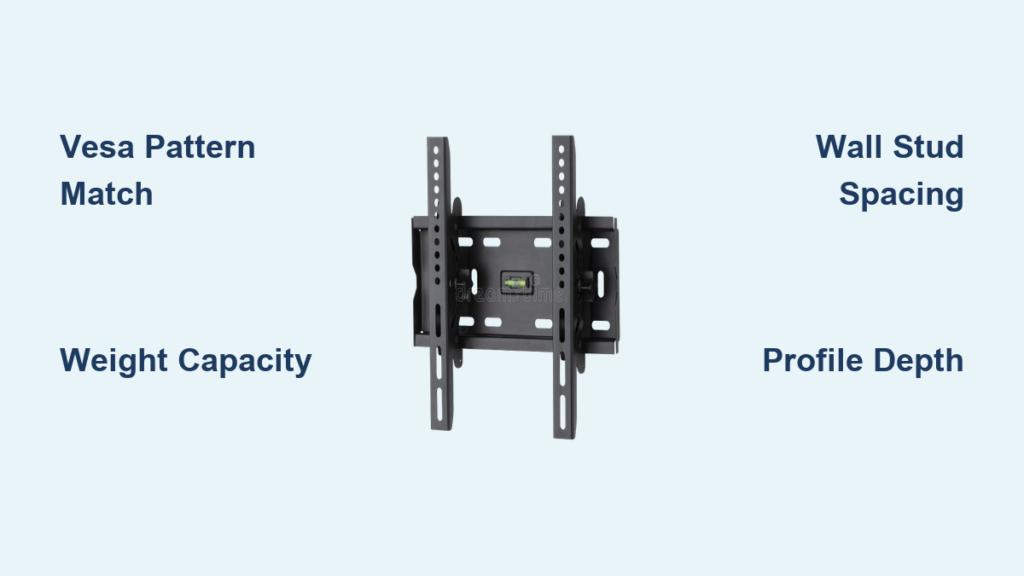
Fixed wall mounts—also called flat-to-wall or low-profile mounts—deliver the cleanest, most streamlined appearance of all mounting options. These brackets secure your television directly against the wall with zero ability to tilt, swivel, or adjust the viewing angle after installation. The magic happens in the millimeters: fixed mounts position your TV just 1-2 inches from the wall, creating that coveted “floating” effect where the screen appears to be part of the wall itself.
This ultra-slim profile makes fixed mounts ideal for modern minimalist interiors where visual clutter matters. They’re also the most affordable option since they lack complex moving parts, and installation typically takes less time than other mount types. When properly positioned during setup, fixed mounts provide rock-solid stability with no risk of accidental movement.
You’ll benefit most from a fixed mount if:
– Your seating arrangement faces the TV directly with no angle changes
– You prioritize clean lines and seamless integration with your wall
– Your room has minimal glare issues from windows or lighting
– You want the most budget-friendly mounting solution
The main limitation? Once installed, your viewing angle is permanent. If your TV has protruding rear components, measure clearance carefully before purchasing, as fixed mounts require the TV to sit completely flush against the wall.
Why Tilting Mounts Solve Common Viewing Angle Problems
Tilting TV wall mounts build on fixed mount design by adding crucial vertical adjustment capability—typically 15-20 degrees of downward or upward tilt. While they protrude slightly further from the wall (about 3-4 inches total), this extra space accommodates the tilting mechanism that solves two common viewing problems: high mounting positions and screen glare.
Most homeowners mount their TVs higher than ideal eye level, either to free up floor space or for aesthetic reasons. Tilting mounts compensate by allowing downward adjustment that brings the screen to eye level when seated. They also combat glare from windows and overhead lighting by letting you angle the screen away from direct light sources without closing curtains or adjusting room lighting.
Consider a tilting mount when:
– You’ve mounted your TV above eye level (common in bedrooms or above fireplaces)
– Your room has persistent glare issues from windows or lighting fixtures
– You watch TV while lying down (bedrooms benefit greatly from downward tilt)
– You want moderate adjustability without the higher cost of full-motion mounts
The trade-off? Tilting mounts don’t offer horizontal swivel capability, so they won’t help if you need to view the TV from significantly different side positions. They also create a slightly larger visual footprint than fixed mounts.
When Full-Motion Articulating Mounts Become Essential
Full-motion wall mounts (also called articulating or swivel mounts) provide maximum viewing flexibility with their signature extending arms. These mounts let you pull your TV away from the wall (up to 30 inches on some models), swivel horizontally (often up to 90 degrees), and tilt vertically—perfect for rooms with multiple seating areas or unconventional layouts.
The articulating arm design transforms viewing possibilities: pull your TV into the kitchen while cooking, swivel it toward a breakfast bar, or extend it into an adjacent room. When not in use, you can tuck it flat against the wall for a cleaner appearance. Full-motion mounts come in single-arm (more discreet) and double-arm (better stability for larger TVs) configurations.
Choose a full-motion mount if you need:
– Viewing flexibility across multiple rooms or seating zones
– Ability to reposition the TV for different activities throughout the day
– Solution for open floor plans where seating arrangements change frequently
– Accommodation for viewing while standing (like in a kitchen)
Be aware that full-motion mounts require sturdy installation into wall studs—they can’t rely on drywall anchors alone due to leverage forces when extended. They’re also the most expensive option and create the largest visual footprint, protruding about 6 inches even when retracted.
Corner Mounts: The Secret Weapon for Awkward Spaces
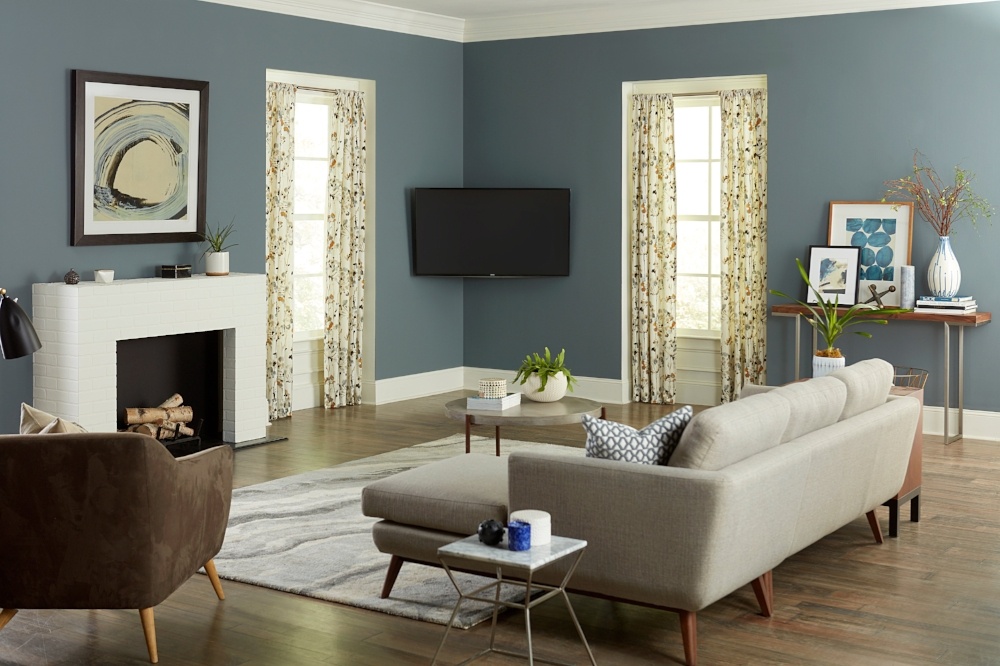
Corner TV mounts solve a specific but common problem: limited wall space in rooms with unconventional layouts. These specialized full-motion mounts allow you to position your television in room corners while maintaining full adjustability—typically offering 14 degrees of tilt and up to 180 degrees of horizontal swivel.
This mounting solution shines in open floor plans where you want the TV to serve multiple areas without dominating any single space. Corner mounts work particularly well in lofts, studio apartments, or rooms where furniture arrangement makes traditional wall mounting impractical.
Corner mounts excel when:
– Your room has limited straight wall space
– You want the TV to serve two different seating areas
– Your layout forces unconventional furniture placement
– You need maximum viewing flexibility from a compact installation
Installation requires precise measurement since corner angles vary, and you’ll need to verify stud placement in both walls forming the corner.
Match Your Mount to Your Real Viewing Habits
Don’t choose a mount based on features alone—match it to how you actually watch TV. Ask yourself these critical questions before purchasing:
Will your primary viewing position ever change? If you always sit directly facing the TV (like in a dedicated home theater), a fixed mount delivers clean aesthetics. But if you move around the room or watch from different angles, you’ll need tilting or full-motion capability.
What’s your biggest viewing obstacle? High mounting positions demand tilting capability. Glare from windows requires vertical adjustment. Multiple seating areas need horizontal swivel. Identify your primary challenge first.
How important is minimalist design? Fixed mounts deliver the sleekest appearance but zero flexibility. Each additional adjustment feature increases the mount’s visual footprint—consider how much this matters in your space.
Critical Technical Checks Before Buying
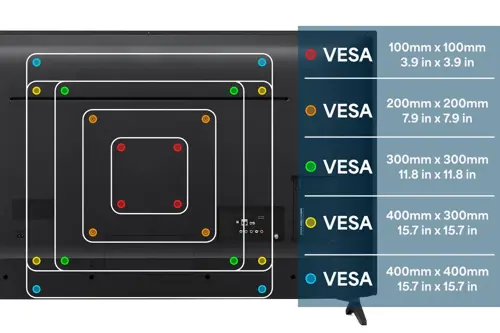
Before falling in love with a mount’s features, verify these technical essentials:
VESA pattern compatibility: Check your TV’s rear panel for the standardized mounting hole pattern (measured in millimeters). Most mounts support common patterns, but specialty or older TVs may have unique configurations.
Weight capacity: Your mount must support your TV’s weight with room to spare—never operate at maximum capacity. Factor in any soundbars or accessories attached to the TV.
Rear clearance: Measure protrusions on your TV’s back panel. Fixed and ultra-thin mounts require completely flat rear surfaces, while tilting and full-motion mounts accommodate some protrusion.
Wall construction: Solid wood studs provide the safest mounting surface. If mounting on drywall alone (not recommended for larger TVs), verify anchor weight ratings match your combined TV and mount weight.
Installation Reality Check: What Most Guides Don’t Tell You
Many homeowners underestimate the installation challenges of TV wall mounts. Here’s what you need to know before starting:
Studs are non-negotiable for larger TVs: Anything over 55 inches absolutely requires mounting into wall studs. Drywall anchors alone can’t safely support the weight, especially with full-motion mounts that create leverage when extended.
Cable management makes or breaks the finished look: Fixed mounts often require in-wall cable routing for clean appearance, which may need professional help. Tilting and full-motion mounts provide more space behind the TV for surface cable management.
Measure twice, drill once: Use a stud finder to locate multiple studs, then verify with a small pilot hole. Mark mounting points with painter’s tape before drilling to avoid visible mistakes.
Get a second pair of hands: Mounting a TV alone is difficult and dangerous. Have someone steady the mount while you align it with your markings.
Beyond Wall Mounts: Alternative TV Placement Solutions
When walls won’t work, consider these alternatives:
Ceiling mounts provide overhead viewing solutions for rooms with high ceilings, commercial spaces, or areas with extensive window coverage where wall mounting creates glare issues.
Articulating desk mounts work well for smaller TVs in offices or bedrooms, allowing screen positioning flexibility without wall installation.
Rolling TV stands offer portable solutions for temporary installations, rental properties, or spaces where permanent mounting isn’t possible.
Make Your Final Decision With Confidence
The perfect TV wall mount balances functionality with aesthetics based on your specific needs. Fixed mounts deliver minimalist elegance for straightforward viewing setups. Tilting mounts solve common angle and glare problems with moderate flexibility. Full-motion mounts provide maximum viewing freedom for dynamic spaces despite their larger footprint.
Before purchasing, stand in your typical viewing positions and note any angle challenges. Consider how natural light affects your screen at different times of day. Most importantly, be honest about your actual viewing habits rather than idealized scenarios. The right mount will enhance your entertainment experience while seamlessly integrating with your home’s design—transforming your TV from an appliance into an intentional element of your living space.