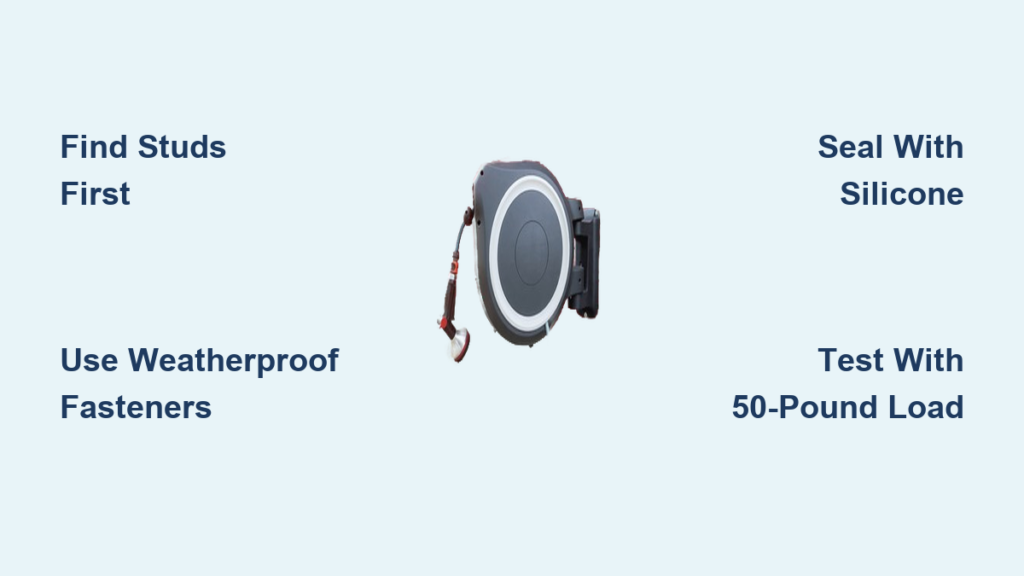
Your TV suddenly tilts downward, a floating shelf crashes to the floor, or your bathroom towel rack pulls loose from the wall—wall mount failures happen more often than you might think. Without proper repair guidance, these seemingly minor issues can escalate into dangerous situations or costly property damage. Since many DIYers search for “how to fix a wall mount” when problems arise, understanding where to find trustworthy information becomes critical for both safety and effectiveness. This guide reveals how to identify authoritative repair methods for any wall mounting problem while avoiding potentially hazardous misinformation that could compromise your home’s safety.
Why Generic Wall Mount Repair Advice Can Be Dangerous
Wall mounts support significant weight and must withstand constant stress, making improper repairs a serious safety hazard. When your wall mount fails, jumping into fixes without verified information risks injury or property damage.
Common Wall Mount Failures That Require Proper Diagnosis
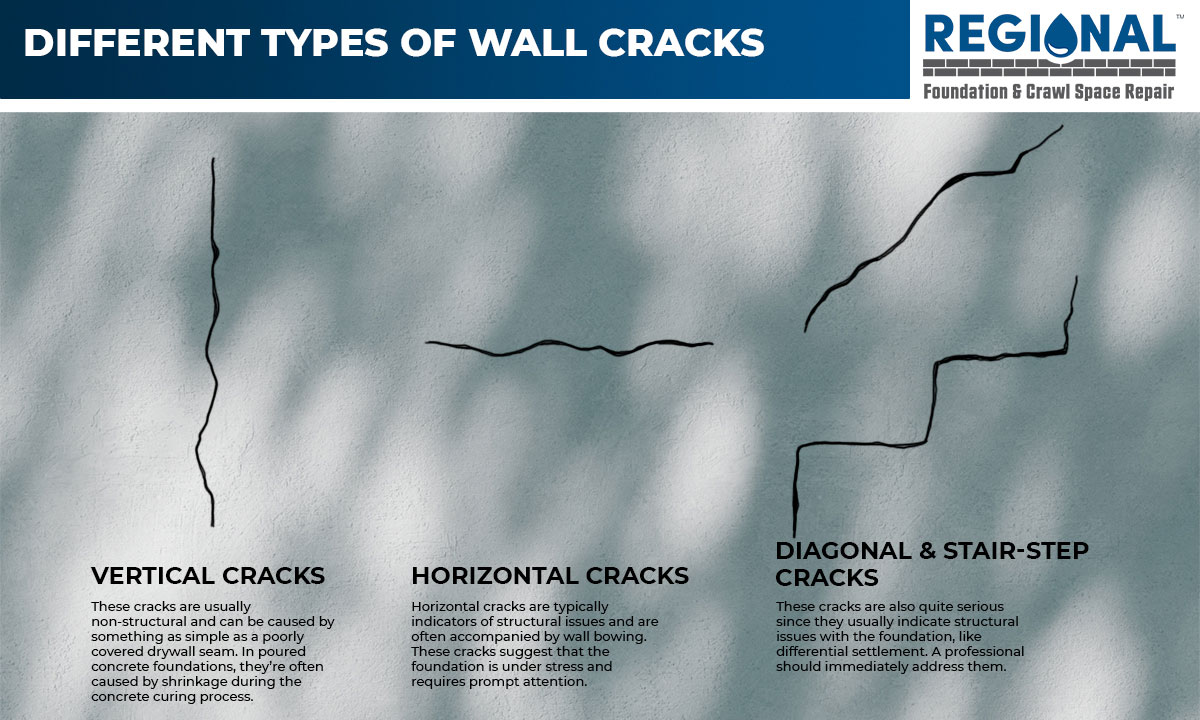
Loose or wobbling TV mounts often indicate stripped screw holes or inadequate anchor points. Many online “solutions” suggest temporary fixes that might hold your expensive television for days but fail catastrophically later. The right approach depends on your specific wall type (drywall, plaster, concrete) and mount design.
Stripped anchor points in drywall represent one of the most frequent issues homeowners face. Without understanding the difference between toggle bolts, molly bolts, and plastic anchors—and which works for your specific situation—you risk repeating the same failure cycle.
Tilted or misaligned mounts might seem like a simple adjustment problem, but often indicate underlying structural issues. Attempting to force realignment without addressing the root cause can damage both your wall and the mounted item.
Critical Information You Must Verify Before Attempting Repairs
Every wall mount repair requires specific knowledge about your particular situation. Generic advice frequently overlooks these crucial factors that determine whether your repair will last.
Essential Details Every Repair Guide Should Include

Wall construction type identification separates effective advice from dangerous guesses. Drywall repairs require different techniques than plaster, concrete, or wood stud installations. Reliable guides explain how to safely determine your wall type before proceeding.
Weight capacity specifications must match your mounted item. A repair method suitable for a 20-pound picture frame won’t support a 75-pound television. Trustworthy resources provide clear weight thresholds for each repair technique.
Required tools and materials should be precisely listed with alternatives for common household tools. Vague instructions like “use appropriate anchors” without specifying types create confusion and potential safety risks.
How to Evaluate Wall Mount Repair Information Quality

Not all online repair guides provide accurate or safe instructions. Learning to distinguish reliable resources from potentially dangerous advice protects both your property and family.
Warning Signs of Unsafe Wall Mount Repair Advice
Lack of safety precautions indicates an unreliable source. Any legitimate guide must emphasize turning off power when working near electrical components and using proper fall protection for high-mounted items.
One-size-fits-all solutions for different wall types signal questionable expertise. Quality resources explain variations for drywall, plaster, concrete, and stud-mounted situations rather than offering universal fixes.
No mention of weight limits for repair methods demonstrates incomplete understanding. Professional guides specify maximum loads for each anchor type and repair technique.
Characteristics of Authoritative Wall Mount Repair Resources
Manufacturer-specific instructions carry the highest reliability since they’re engineered for your exact mount model. Always check if your mount’s manufacturer provides repair documentation before attempting fixes.
Step-by-step visual documentation with clear photographs or diagrams demonstrates the author’s commitment to user success. Text-only instructions often miss critical visual cues necessary for proper installation.
Troubleshooting decision trees that help diagnose the specific problem rather than jumping to solutions indicate professional-quality content. The best guides help you identify why your mount failed before recommending fixes.
Creating Your Personalized Wall Mount Repair Protocol
When your mount fails, follow this systematic approach to find solutions that actually work for your specific situation rather than risking further damage with generic advice.
Step-by-Step Process for Finding Verified Repair Methods
Identify your exact mount model and specifications by checking manufacturer labels, original packaging, or installation manuals. This information allows you to search for model-specific repair techniques rather than guessing.
Document your failure scenario thoroughly with photographs showing the problem from multiple angles. Note when the failure occurred, any preceding warning signs, and the weight of the mounted item. This documentation helps professionals diagnose issues accurately.
Consult multiple authoritative sources including manufacturer websites, professional trade publications, and building code references. Cross-referencing information helps verify accuracy and identify consensus best practices.
When to Call a Professional Instead of DIY
Structural concerns near electrical wiring or plumbing always warrant professional assessment. Wall repairs that might intersect hidden infrastructure require expert evaluation to prevent dangerous complications.
Mounts supporting heavy items over critical areas (like beds or seating areas) need professional reinforcement. The consequences of failure make professional installation worth the investment for high-risk locations.
Repeated failures in the same location indicate underlying issues beyond simple repair. If you’ve attempted fixes multiple times without lasting results, a professional can diagnose deeper structural problems.
Essential Prevention Strategies for Future Wall Mount Success
The best repair is the one you never need. Implement these proactive measures to minimize future wall mount failures and extend the lifespan of your installations.
Proper Installation Techniques That Prevent Future Failures
Locate and anchor to wall studs whenever possible using a quality stud finder. Stud-mounted installations provide significantly more stability than drywall anchors alone, especially for heavy items.
Use the right anchor type for your specific wall composition rather than defaulting to basic plastic anchors. Toggle bolts provide superior holding power in hollow walls, while molly bolts work better in plaster.
Distribute weight across multiple anchor points rather than concentrating force on single attachment points. Quality mounts include multiple mounting holes specifically for this purpose.
Regular Maintenance Checks That Catch Problems Early
Perform quarterly visual inspections of all mounted items, looking for gaps between the mount and wall, unusual tilting, or visible screw movement. Early detection prevents minor issues from becoming major failures.
Tighten mounting hardware periodically as normal house settling can gradually loosen connections. Use the appropriate tool to snug (not overtighten) screws without stripping heads.
Monitor for environmental factors like humidity changes or temperature fluctuations that can affect wall integrity over time. Bathrooms and kitchens require more frequent checks due to moisture exposure.
Building Your Wall Mount Repair Resource Library
Create a personalized reference system for future wall mounting projects that ensures you always have access to reliable information when problems arise.
Curating Trusted Information Sources
Bookmark manufacturer installation guides for all your current and future mounts. Create a dedicated folder in your browser for quick access during installation or repair emergencies.
Develop a local resource network including recommended handymen, building supply specialists, and hardware store experts who can provide in-person advice when online resources prove insufficient.
Maintain a repair journal documenting each mounting project with photos, materials used, and weight specifications. This personalized reference becomes invaluable when addressing future issues with specific installations.
Final Safety Considerations for Wall Mount Repairs
Wall mount failures represent more than mere inconvenience—they pose genuine safety risks that demand careful attention to proper repair methods. Never compromise on verified techniques when your family’s safety depends on secure wall installations. When in doubt about any repair procedure, consult a qualified professional rather than risking injury with unverified methods. Properly executed wall mount repairs not only solve immediate problems but also prevent future hazards, protecting both your property and the people who live there. Keep this guide as a reference for evaluating repair information quality, and always prioritize safety over speed when addressing wall mounting issues.