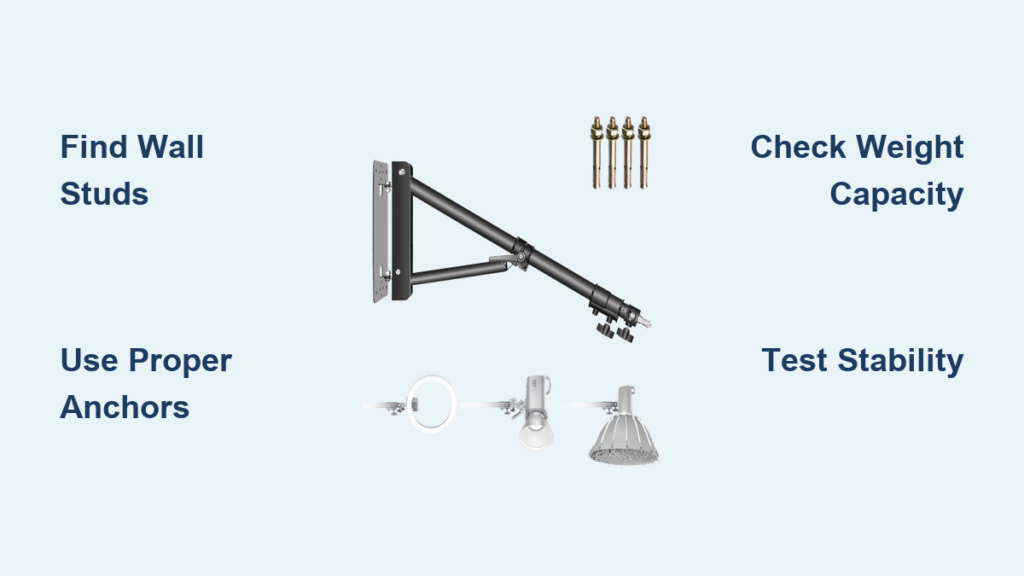
You’ve purchased a Neewer wall mount boom arm, unpacked the components, and now you’re staring at the hardware wondering exactly how to securely install it on your wall. This is a critical moment—improper installation of camera or lighting equipment can lead to costly damage or even injury. While the video “Installing A Neewer Wall Mount Boom Arm” featured on Amazon Live with DistractorBeam offers expert advice, the limited information available means you need to approach this installation with particular caution. Without complete installation documentation, understanding the essential requirements and safety considerations becomes your first priority before picking up any tools.
Many users make the mistake of jumping straight into mounting without verifying whether they have all necessary components or understanding the structural requirements of their specific wall type. The consequences of improper installation can range from a wobbly boom arm that compromises your shots to catastrophic failure where expensive equipment crashes to the floor. This guide will help you navigate the installation process safely by focusing on what a proper Neewer wall mount installation requires, even when official step-by-step instructions aren’t readily available to you.
Why Complete Installation Documentation Matters for Neewer Wall Mounts
Before you drill a single hole, you need to recognize that wall mount installations aren’t one-size-fits-all procedures. Different Neewer models have specific weight limits, mounting hardware requirements, and installation procedures that must be followed precisely for safe operation. The Amazon Live session featuring DistractorBeam likely emphasized these critical details, but without access to the complete video content or official Neewer documentation, you’re working with incomplete information that could compromise your installation’s safety and effectiveness.
What Proper Neewer Installation Documentation Should Include
A comprehensive Neewer wall mount installation guide would contain several essential elements you should verify before proceeding:
- Model-specific specifications: Exact weight capacity, boom arm length, and compatible accessories
- Required tools list: Not just “screwdriver” but specific sizes and types needed
- Wall type requirements: Whether installation is suitable for drywall, wood studs, concrete, or brick
- Hardware inventory: Complete list of included components with quantities and sizes
- Step-by-step visual instructions: Showing proper assembly sequence and orientation
- Safety warnings: Critical weight limits and installation precautions
Without these details, you’re essentially guessing at a process that requires precision. Many users assume all wall mounts install similarly, but Neewer’s specific engineering means their mounting system may have unique requirements that differ from other brands.
Common Installation Mistakes to Avoid Without Complete Instructions
When proper documentation is unavailable, users frequently make these critical errors:
- Using incorrect wall anchors: Standard drywall anchors won’t support heavy boom arm loads
- Missing structural supports: Mounting solely into drywall without hitting studs
- Overtightening components: Stripping threads in plastic or lightweight metal parts
- Improper alignment: Creating stress points that weaken the mount over time
- Ignoring weight distribution: Not accounting for dynamic loads when equipment moves
These mistakes often don’t reveal themselves immediately but can lead to catastrophic failure weeks or months later when you least expect it. The expert advice from DistractorBeam on Amazon Live would have addressed these specific pitfalls for the Neewer model in question.
Essential Preparation Steps for Safe Neewer Wall Mount Installation

Before you even consider drilling, proper preparation separates a secure installation from a potential disaster. This phase is where most DIY installers cut corners, putting their equipment at risk. Taking time to verify your wall structure, gather appropriate tools, and understand load requirements makes all the difference in creating a stable, long-lasting mount for your camera or lighting equipment.
Identifying Suitable Wall Structure for Your Neewer Mount
The first critical step that many users skip is determining whether your wall can safely support the Neewer boom arm and attached equipment:
- Locate wall studs: Use a reliable stud finder to identify solid wooden supports behind drywall
- Check wall composition: Different anchors are required for drywall, concrete, brick, or tile
- Verify load capacity: Neewer mounts typically require mounting into structural elements, not just drywall
- Avoid electrical hazards: Scan for wires and pipes before drilling using a quality stud finder with AC detection
Most Neewer wall mount boom arms require attachment to wall studs for proper support. Attempting to mount solely with drywall anchors—even heavy-duty ones—creates an unsafe installation that may fail under load. The Amazon Live demonstration would have shown proper stud-finding techniques specific to Neewer’s weight requirements.
Gathering Proper Tools Before Starting Your Installation
Having the right tools prevents damage to both your wall and the Neewer components:
- Precision screwdrivers: Neewer often uses specific screw head types (Phillips #2, Torx T20)
- Stud finder with depth detection: Essential for locating solid mounting points
- Laser level: Critical for ensuring your boom arm mounts perfectly horizontal
- Measuring tape and pencil: For precise placement marking
- Drill with appropriate bits: Including masonry bits if mounting to concrete
Many users try to improvise with incorrect tools, stripping screw heads or creating improper holes that compromise the mount’s integrity. The DistractorBeam expert would have specified exact tool requirements for the particular Neewer model featured.
Critical Safety Checks During Neewer Wall Mount Installation
Safety isn’t just about following steps—it’s about verifying each stage meets structural requirements before proceeding. This verification process prevents the “it looked fine at first” scenario where a mount fails after equipment is added. Professional installers know that each connection point must withstand significantly more than the static weight of your gear due to dynamic movement and leverage forces created by the boom arm.
Verifying Mount Stability at Each Installation Stage
Don’t wait until you’ve attached expensive gear to test your installation:
- Check for wall flex: Press firmly on mounting points to ensure no movement
- Verify all connections: Each screw should be snug but not overtightened
- Test without load first: Operate the boom arm mechanism empty to check smoothness
- Confirm lock positions: Ensure all adjustment points securely hold position
The Amazon Live demonstration would have included these critical verification steps specific to Neewer’s engineering. Without seeing this expert guidance, you must be extra diligent about testing at each stage.
Weight Capacity Verification for Your Specific Setup
Neewer specifies maximum weight capacities that include both static and dynamic loads:
- Account for leverage: Weight at the end of the boom arm creates greater force on the mount
- Include all components: Camera, lights, microphones, and accessories in total weight
- Apply safety margin: Never load to maximum capacity—keep below 75% of stated limit
- Check for movement: Any shifting under load indicates unsafe installation
Many users only consider the camera weight, forgetting that lights and accessories dramatically increase the load on the mounting point due to leverage effects. The DistractorBeam expert would have demonstrated proper weight testing procedures for the specific Neewer model.
Where to Find Complete Neewer Wall Mount Installation Guidance

Since the limited information from the Amazon Live session isn’t sufficient for a safe installation, you need reliable sources for complete instructions. Guessing at installation procedures for wall-mounted equipment creates unnecessary risk to both your gear and personal safety.
Official Neewer Resources You Should Consult
Before proceeding with installation, obtain these critical resources:
- Download the official manual: Visit Neewer’s website and search for your exact model number
- Check packaging thoroughly: Instructions are sometimes included in separate compartments
- Contact Neewer support: Email support@neewer.com with your model number for documentation
- Verify YouTube tutorials: Search “Neewer [exact model] official installation” for manufacturer-approved videos
Most Neewer products include detailed PDF manuals on their website that provide model-specific installation requirements, diagrams, and safety information that generic guides cannot match. This official documentation should always supersede any third-party advice.
Evaluating Third-Party Installation Guides for Accuracy
When using guides like the Amazon Live session with DistractorBeam:
- Confirm model match: Ensure the demonstrator is using your exact Neewer model
- Check date of content: Newer models may have different requirements than older versions
- Look for official partnerships: DistractorBeam may be a Neewer-authorized demonstrator
- Cross-reference with official docs: Never rely solely on third-party instructions
The Amazon Live video title suggests expert advice, but without viewing the complete content, you cannot verify whether it covers all safety-critical steps for your specific installation scenario.
Final Installation Verification Before Adding Equipment

Before you attach any valuable gear to your newly installed Neewer wall mount, complete these final safety checks that many users overlook:
- Perform 24-hour stress test: Mount remains stable overnight with moderate weight
- Check all connection points: Re-tighten after initial settling period
- Verify full range of motion: Ensure no binding or resistance throughout movement
- Confirm lock mechanisms: All adjustment points securely hold position under slight pressure
Only after passing these verification steps should you gradually add your equipment, starting with the lightest items and working up to your full setup while monitoring for any signs of stress on the mount.
Final Note: Never proceed with installation if you cannot verify proper mounting procedures for your specific Neewer model. Wall-mounted equipment failures can cause serious damage or injury. Always prioritize safety over convenience by obtaining complete manufacturer documentation before installation. If official instructions remain unavailable, consider consulting a professional installer who can access proper technical specifications for your Neewer wall mount boom arm. Your camera gear is an investment worth protecting with a properly engineered installation.