Tired of staring at bare walls that lack personality? Mounting letters on your wall transforms ordinary spaces into custom-designed statements that reflect your style and personality. Whether you’re installing your family name above the fireplace, creating an inspiring quote in your home office, or mounting business signage, the right mounting technique makes all the difference between a professional-looking installation and a frustrating disaster. Many homeowners attempt letter mounting only to face peeling adhesives, crooked alignments, or worse—damaged walls when letters suddenly fall. This guide cuts through the confusion by showing you exactly how to mount letters on any wall surface while avoiding common pitfalls that ruin both your decor and your walls.
Before grabbing the first adhesive strip you find, take time to assess three critical factors that determine your success. First, evaluate your letter materials—are they lightweight foam cutouts, medium-weight wooden blocks, or heavy metal signs? Second, examine your wall surface: smooth drywall, textured plaster, brick, concrete, or tile each demand different mounting approaches. Finally, consider how long you plan to keep the letters mounted; temporary solutions differ significantly from permanent installations. Getting these three elements right from the start prevents costly mistakes and ensures your wall letters stay securely in place for years to come.
Determine Your Letter Weight and Material Type
Your mounting method depends entirely on whether you’re working with delicate foam letters or substantial metal signage. Lightweight foam and plastic letters (under 1 pound each) can use simple adhesive solutions, while medium-weight wooden letters (1-5 pounds) require stronger adhesives or light hardware. Heavy metal or wrought iron letters (over 5 pounds) demand proper mechanical fastening with wall anchors and screws.
Test your letters’ weight by holding them in your hand—do they feel substantial or nearly weightless? Check for any built-in mounting features like keyhole slots, screw holes, or hanging brackets. Foam letters often come with adhesive backing pre-applied, while wooden letters might have small holes drilled for mounting. Metal letters typically include more substantial hardware options but require the most secure wall attachment.
Consider environmental factors that affect mounting choices. Outdoor installations need weather-resistant adhesives and hardware, while bathroom or kitchen letters must withstand humidity. Letters in high-traffic areas benefit from more secure mounting to prevent accidental bumps from dislodging them. Never assume all letters mount the same way—taking two minutes to evaluate your specific materials saves hours of frustration later.
Select the Appropriate Mounting Method for Your Situation
Choosing between adhesive solutions and mechanical hardware separates successful installations from wall-damaging failures. Adhesive strips work perfectly for lightweight letters on smooth, clean walls but fail dramatically on textured surfaces or with heavier materials. For foam or plastic letters under 2 pounds, premium adhesive strips like Command™ strips provide clean removal with no residue when used correctly—press firmly for 30 seconds and wait one hour before mounting letters.
Construction adhesive becomes necessary for medium-weight wooden letters. Apply small dabs (about the size of a dime) in each corner and one in the center, pressing firmly for 60 seconds. Use painter’s tape to hold letters in place for 24 hours while the adhesive cures. This method creates a strong bond but will damage drywall upon removal, making it unsuitable for renters.
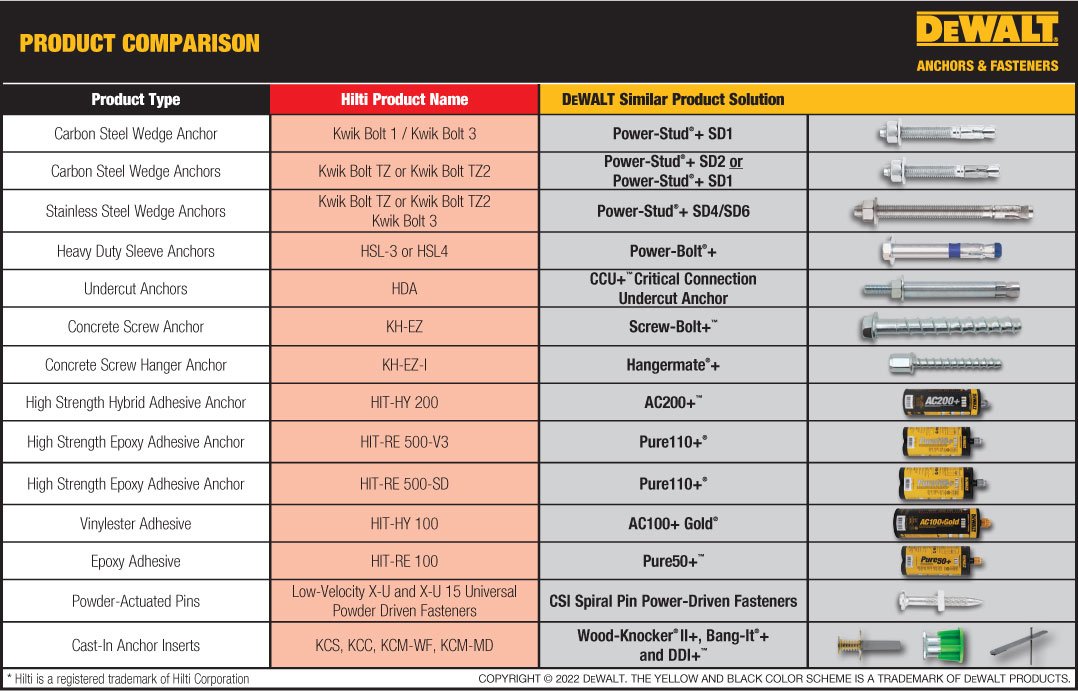
Heavy metal letters demand proper hardware installation. Locate wall studs using a stud finder for the most secure mounting, or use appropriate drywall anchors rated for your letter weight. Toggle bolts provide superior holding power for letters over 5 pounds, distributing weight across a wider area of drywall. For brick or concrete walls, masonry anchors and a hammer drill create the secure foundation heavy letters require.
Prepare Your Wall Surface for Maximum Adhesion
Even the strongest adhesive fails on improperly prepared walls. Start by cleaning your mounting area with a mild detergent solution to remove dust, grease, and grime that prevent proper bonding. Pay special attention to kitchen and bathroom walls where cooking grease or soap residue accumulates. Rinse with clean water and allow the surface to dry completely—this typically takes 1-2 hours depending on humidity.
For glossy or semi-gloss painted walls, lightly sand the mounting area with 120-grit sandpaper to create “tooth” for better adhesion. Wipe away all dust with a tack cloth or damp paper towel, then allow to dry. Textured walls present special challenges—apply adhesive in thicker amounts to bridge the texture, or create a mounting board that provides a flat surface for your letters.
Check for existing wall damage before mounting. Fill holes or cracks with spackle, allow to dry completely, sand smooth, and prime the repaired area. Skipping this step often leads to letters adhering poorly to uneven surfaces, resulting in gaps, lifting, or premature failure. Proper wall preparation takes 15 extra minutes but prevents hours of rework later.
Create a Perfect Layout Before Mounting

Skipping layout planning guarantees crooked letters and multiple wall holes from repositioning attempts. Start by measuring your wall space and determining ideal mounting height—center your letters at eye level (57-60 inches from floor to center) for most rooms. Create a paper template by arranging your letters on the floor, measuring the total width, then transferring this to kraft paper.
Use painter’s tape to temporarily position your template on the wall, stepping back to evaluate from different angles. Adjust until the placement feels balanced within the room’s architecture and sightlines. Mark mounting points directly on the wall with a pencil, using a level to ensure straight alignment—this is crucial for multi-word installations where letters should sit on a consistent baseline.
For precise letter spacing, use a ruler to mark equal distances between letters on your template. Many beginners crowd letters too closely or space them too far apart, creating visual imbalance. Remember that optical center (what looks centered) often differs from mathematical center—trust your eye when finalizing placement.
Install Letters with Precision and Confidence
When applying adhesive-mounted letters, follow the “less is more” principle—excess adhesive squeezes out and creates messy edges. Apply adhesive in a systematic pattern: three to four small dots for lightweight letters (corners and center), or a continuous bead around the perimeter plus center dots for heavier pieces. Press each letter firmly from the center outward to eliminate air pockets, holding for 30-60 seconds.
For hardware-mounted letters, drill pilot holes slightly smaller than your anchors, clean out dust, then insert anchors before attaching letters. When using toggle bolts, ensure the toggle spreads completely behind the drywall by feeling for resistance as you tighten. For letters with keyhole slots, use the provided screws or purchase matching hardware in the correct length—screws should penetrate drywall anchors by at least 1/2 inch.
Always support letters from below as you attach them, especially for larger pieces. Have a helper hold letters in position while you secure them, or use temporary painter’s tape supports. Never rely solely on adhesive for heavy letters—combine hardware with a small amount of construction adhesive behind the letter for maximum security without visible hardware.
Troubleshoot Common Mounting Problems Before They Happen
Prevent disasters by anticipating and addressing common mounting issues before they occur. Letters sliding down the wall usually indicate insufficient adhesive contact or improper curing time—press firmly during installation and avoid disturbing letters for 24 hours. For textured walls causing poor adhesion, apply adhesive to both the wall and letter back for double-sided bonding strength.
If letters won’t stay straight, check your level accuracy—many inexpensive levels give false readings. Verify with a second level or use the water level method (a clear tube filled with water). Letters falling off shortly after installation typically means the wall wasn’t properly cleaned or the adhesive wasn’t given enough curing time.
For outdoor installations, select UV-resistant adhesives specifically designed for exterior use. Standard indoor adhesives break down quickly when exposed to sunlight and temperature fluctuations. Apply extra adhesive at the top of each letter to counteract gravity’s constant pull, and consider mechanical fasteners for any letters exposed to wind.
Remove Letters Without Wall Damage
When it’s time to update your decor, remove letters properly to avoid wall damage. For adhesive strips, slowly stretch them parallel to the wall (not upward) to release the bond. Warm stubborn adhesive with a hair dryer on low heat, then gently work a plastic putty knife behind the letter. Never use metal tools that scratch drywall.
Hardware-mounted letters require careful removal—support the letter while removing screws to prevent dropping. Fill anchor holes with spackle, sand smooth, and touch up paint. For construction adhesive installations, accept that some wall damage may occur; the bond is designed to be permanent. Plan for potential repairs if you anticipate future removal.
Prevent future damage by using the right mounting method for your situation—adhesive strips for temporary installations, proper anchors for heavy letters, and construction adhesive only when permanence is desired. Smart mounting choices today prevent wall repair headaches tomorrow.
Mounting letters on a wall successfully transforms your space with personalized style when you match your technique to your specific materials and wall surface. Start by accurately assessing your letter weight and wall type, then select the appropriate mounting method—adhesive strips for lightweight temporary installations, construction adhesive for medium-weight permanent displays, or proper hardware for heavy signage. Proper wall preparation, careful layout planning, and following installation best practices ensure professional results every time. Remember that successful mounting isn’t about using the strongest possible attachment—it’s about selecting the right solution for your specific situation. With these techniques, your wall letters will stay securely mounted, beautifully aligned, and damage-free for as long as you want them to remain. Take your time with surface preparation and layout planning, and you’ll enjoy a custom-designed space that reflects your personality without the frustration of failed installations.