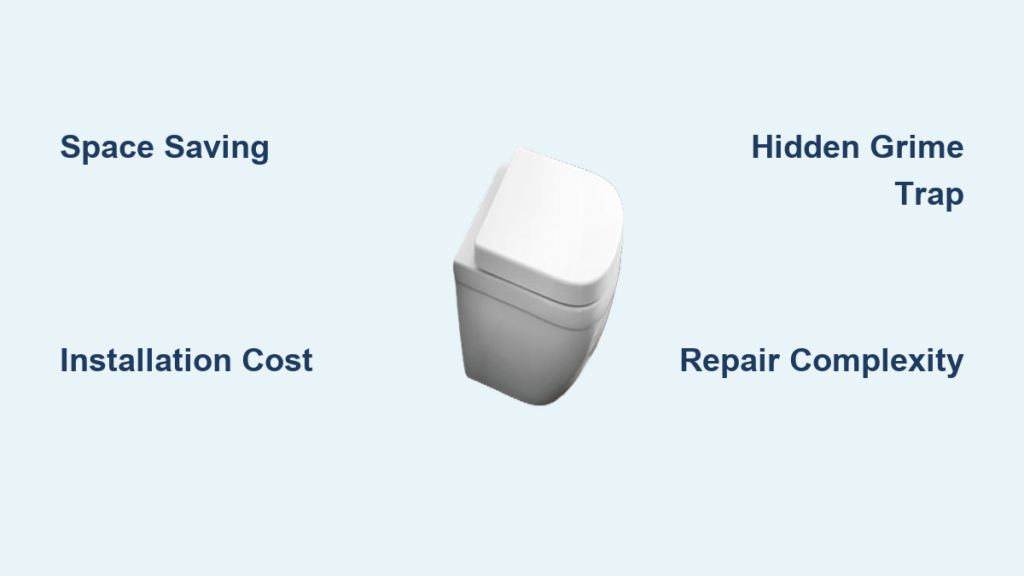
Your bathroom floor disappears beneath a sleek ceramic bowl suspended in mid-air. No visible pipes, no base to trap grime—just clean lines that make even a tiny powder room feel expansive. This is the magnetic appeal of wall mounted toilets transforming modern bathrooms, yet hidden behind their minimalist charm lie installation nightmares and unexpected compromises. As both a design statement and functional upgrade, wall hung toilets deliver dramatic space savings but demand careful consideration of structural requirements and long-term maintenance. You’ll discover whether this floating fixture suits your lifestyle as we break down exactly what manufacturers won’t highlight in brochures—including why that dreamy floating bowl might cost you $1,200 extra and require professional help for minor clogs.
Space-Saving Magic: How Wall Toilets Unlock Floor Real Estate
Wall mounted toilets eliminate the bulky base found on traditional floor-mounted models, instantly freeing up 6-10 inches of floor space. This isn’t just aesthetic trickery—it creates tangible navigation room in cramped bathrooms under 50 square feet where every inch counts. Homeowners consistently report easier wheelchair access and simplified cleaning routines since mops and vacuums glide uninterrupted beneath the bowl.
Why Small Bathrooms Benefit Most From Floating Fixtures
- Visual expansion effect: Removing floor obstructions tricks the eye into perceiving 15-20% more space
- Corner installation flexibility: Mount units in tight corners previously unusable for standard toilets
- Reduced claustrophobia: Critical for powder rooms where walls feel oppressively close
The Hidden Trade-Off: Where That Space Really Comes From
Don’t mistake this for free square footage—wall toilets shift space requirements vertically. The concealed tank frame demands 8-12 inches of wall depth behind drywall, consuming cavity space that might house plumbing for adjacent showers. In older homes with lathe-and-plaster walls under 4 inches thick, this often requires cutting into stud bays or installing external carrier frames that protrude 3 inches into the room.
Installation Costs That Shock Budget-Conscious Homeowners
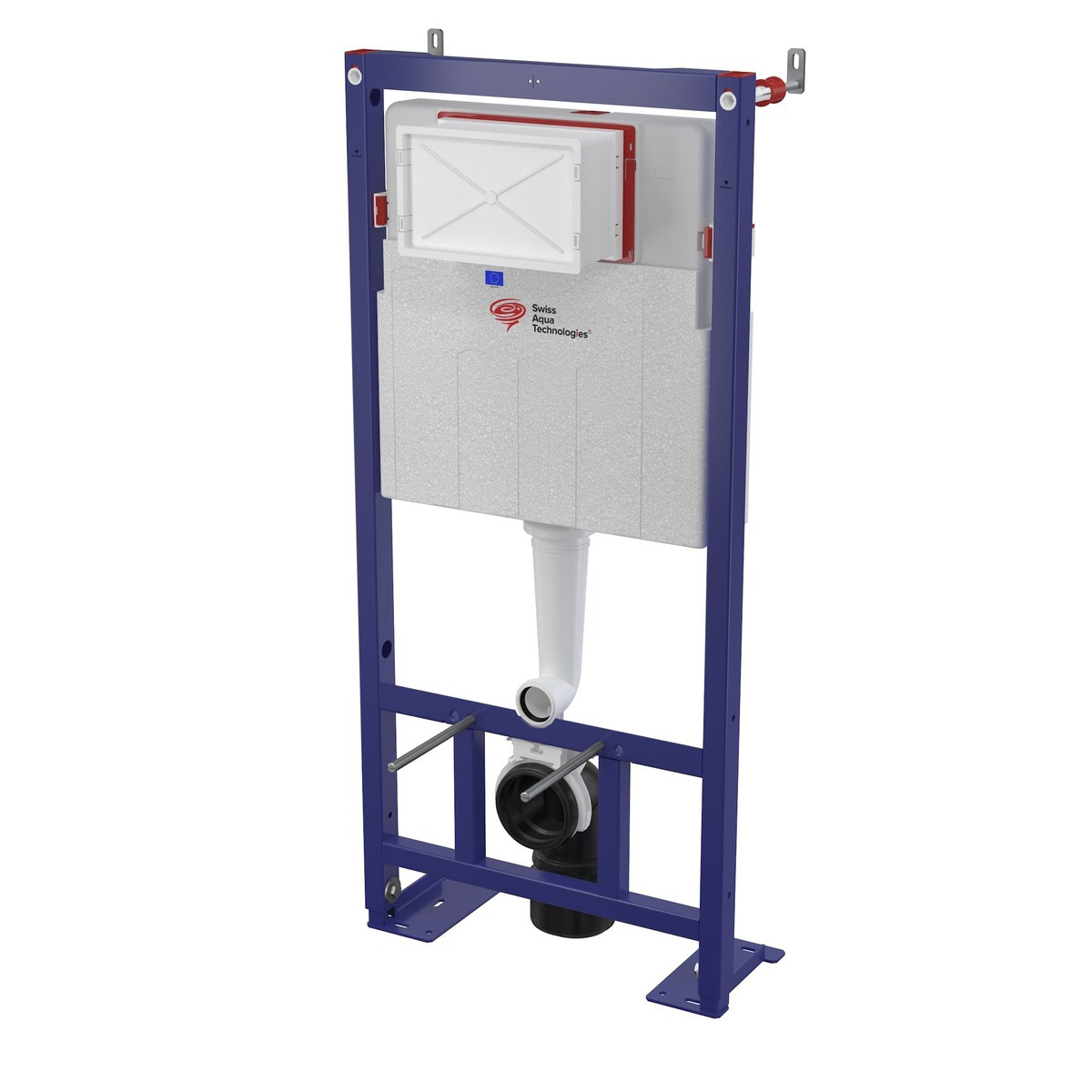
Expect to pay $800-$1,500 for professional installation alone—nearly double the $400-$700 cost of floor-mounted equivalents. This premium stems from complex structural demands most DIYers underestimate. Unlike bolt-down models requiring basic plumbing skills, wall hung toilets demand precise framing, load-bearing calculations, and specialized tools.
Why Your Walls Must Pass This Critical Strength Test
Before committing, verify your wall can handle 1,000+ pounds of dynamic weight (user + ceramic + water). Standard drywall on 16-inch studs fails this test—requiring one of three costly solutions:
1. Steel reinforcement frames ($200-$400): Bolted directly to studs behind walls
2. Concrete backer boards ($150-$300): For tile-ready surfaces
3. Floor-to-ceiling support systems ($500+): Necessary for plaster or hollow walls
Pro tip: Tap your intended installation spot—if it sounds hollow beyond the drywall surface, budget $300+ for structural modifications.
The Cleaning Revolution (And One Hidden Grime Trap)

Wall mounted toilets earn universal praise for eliminating the “toilet base jungle”—that grimy zone where traditional bowls meet floors. No more scrubbing mineral deposits from hard-to-reach crevices or wrestling with base-mounted bolts during deep cleans.
Where Wall Toilets Outperform Floor Models
- Daily maintenance: 60-second floor swipes replace 10-minute scrubbing sessions
- Allergen reduction: Eliminates dust and mold accumulation under bases
- Disinfection efficiency: Hospital-grade sanitation achievable with single wipe-downs
The Surprising Maintenance Blind Spot
That sleek floating appearance hides a critical vulnerability: the gap between bowl and wall. Hair, dust bunnies, and cleaning spray residue accumulate in this 1-2 inch seam, requiring monthly vacuuming with crevice tools. Neglect this, and you’ll develop musty odors within 6 months—especially in high-humidity bathrooms.
Repair Nightmares: Why Minor Clogs Cost $200 Service Calls
When your wall mounted toilet clogs, forget plunging like a standard model. The concealed tank and elevated bowl create unique failure points that often require specialist intervention.
Three Common Failures Requiring Professional Help
- Carrier frame corrosion: Hidden mounting hardware rusts after 8-10 years, causing dangerous wobbling
- Flush valve misalignment: Internal mechanisms shift without visible indicators, reducing flush power by 40%
- Wall penetration leaks: Water seeps into walls during seal failures, causing mold within 72 hours
Warning: Attempting DIY repairs on concealed tanks risks cracking ceramic bowls—replacement costs average $450.
Weight Capacity Limits That Threaten Safety

Most wall mounted toilets support 500 pounds statically, but dynamic weight (sitting down/standing up) generates forces up to 1,000 pounds. This creates critical safety considerations often glossed over in marketing materials.
When Wall Toilets Become Hazardous
- Oversized users: Models under 450-pound capacity risk detachment during use
- Improper installation: Using drywall anchors instead of stud-mounted frames causes catastrophic failure
- Commercial misuse: Installing residential-grade units in public restrooms voids warranties
Expert note: Always verify frame specifications—commercial-grade units support 800+ pounds but cost 30% more.
Flush Performance: Power vs. Noise Trade-Offs
Wall mounted toilets use pressurized flush systems to compensate for reduced water volume, delivering stronger waste removal than gravity-fed floor models. However, this comes at an acoustic cost.
The Sound Issue You Won’t Find in Brochures
- Noise levels: Average 78-85 decibels (comparable to blender operation) vs. 65-70dB for standard toilets
- Vibration transfer: Pipes rattle through walls in poorly insulated installations
- Solution: Install sound-dampening insulation around carrier frames during setup
Accessibility Advantages for Aging Populations
For seniors and mobility-impaired users, wall mounted toilets offer game-changing benefits through adjustable height customization.
Customization Options That Improve Daily Living
- Seat height adjustment: Set from 15-22 inches to accommodate walkers or wheelchairs
- Open floor access: Caregivers maneuver freely underneath during assistance
- Grab bar integration: Mount supports directly to carrier frames for 1,000-pound security
When Wall Toilets Make Sense (And When They Don’t)
Ideal For:
- Modern renovations prioritizing minimalist aesthetics
- Small bathrooms under 5×8 feet
- Commercial spaces requiring ADA compliance
- Homes with professional maintenance budgets
Avoid If:
- You rent or lack wall modification permission
- Your budget is under $1,200 installed
- You demand DIY repair capabilities
- Walls contain existing plumbing obstacles
Final Note: Wall mounted toilets deliver transformative space savings and hygiene benefits but demand respect for their structural demands and repair complexities. Prioritize professional installation with commercial-grade carrier frames to avoid costly failures—this single decision impacts 15+ years of reliable use. For most homeowners, the premium pays off through easier cleaning and modern aesthetics, but never compromise on wall strength verification. If undertaking a renovation, pair your wall hung toilet with a concealed tank shroud for seamless integration. Remember: the true cost isn’t the fixture price, but whether your walls can silently shoulder the burden for decades.