Your staircase deserves more than just functional safety—it needs a handrail that elevates your entire interior aesthetic. Wall mount stair railing ideas have evolved far beyond basic safety requirements to become stunning design elements that define your home’s character. Modern wall-mounted systems eliminate the visual clutter of traditional balustrades while providing secure support, creating an airy feel that makes staircases appear more spacious and integrated with your living areas. Whether you’re renovating a historic home or designing a contemporary space, the right wall rail combines essential functionality with visual appeal that complements your personal style and architectural context.
Today’s market offers diverse wall mount stair railing ideas spanning traditional colonial profiles, sleek minimalist geometries, and transitional designs that bridge multiple aesthetic languages. Budget considerations range from accessible entry-level products around $23 to premium investment-grade railings exceeding $900, with quality and craftsmanship varying significantly across this spectrum. Understanding these distinctions ensures you select a railing system that not only meets safety requirements but also enhances your home’s architectural character for decades to come. This guide reveals the most effective wall mount stair railing ideas to match your design vision while ensuring lasting performance and code compliance.
How to Choose the Perfect Wood Wall Rail for Your Space
Hardwood handrails remain the most versatile option for wall mount stair railing ideas, providing warmth and character that synthetic alternatives can’t match. The right wood selection significantly impacts both aesthetics and longevity, with options ranging from rich cherry and walnut to lighter oak and maple. Each species ages differently—cherry develops a beautiful patina over time while oak maintains consistent character through generations of use.
Pay close attention to diameter specifications when exploring wood wall rail options, as this detail dramatically affects both visual impact and user comfort. The 1-1/2 inch diameter delivers a slender, contemporary profile that visually lightens staircase areas and won’t compete with other design elements in modern interiors. Conversely, the 1-3/4 inch diameter provides a more substantial grip that many homeowners prefer for traditional settings or accessibility-focused installations. This larger diameter proves particularly beneficial for elderly family members or anyone with hand strength limitations.
Beyond diameter, consider these profile options:
– Round profiles offer classic cylindrical grip that feels natural to most users
– Oval profiles with flat bottoms provide modern geometric aesthetics with stable wall orientation
– Rectangular and custom profiles serve specialized design requirements (typically requiring custom fabrication)
The combination of wood handrails with stainless steel fittings creates a design approach that bridges traditional and contemporary aesthetics. This hybrid method allows wood railings to integrate seamlessly with modern interior elements while maintaining the tactile comfort of natural material.
5 Contemporary Minimalist Wall Rail Designs That Maximize Visual Space

Contemporary wall rail designs embrace the philosophy that less equals more—these sleek systems fulfill safety requirements without demanding visual attention. For homeowners with modern or transitional interiors, minimalist railings provide the perfect balance of form and function while creating an open, airy staircase appearance.
The 5600 Contemporary Oval Flat Bottom handrail exemplifies modern design principles through its refined profile geometry. This profile achieves visual lightness while maintaining comfortable ergonomics for daily use. The flat bottom surface provides practical benefits beyond aesthetics, creating stable contact with wall surfaces and simplifying bracket alignment during installation. Many contemporary handrails feature “thin” designations indicating reduced overall dimensions that respect negative space principles central to modern design.
Minimalist railings work exceptionally well in these scenarios:
– Open-concept spaces where staircases flow directly into living zones
– Modern interiors featuring clean cabinetry and geometric lighting
– Homes seeking visual continuity between staircase and surrounding architecture
When selecting contemporary railings, coordinate with adjacent materials—glass, metal, and polished stone commonly found in modern interiors pair beautifully with understated wooden handrails finished in natural tones or dramatic stains. Matte finishes prove more forgiving of fingerprints and wear marks, making them practical choices for busy households.
Colonial-Style Wall Railings That Add Timeless Elegance
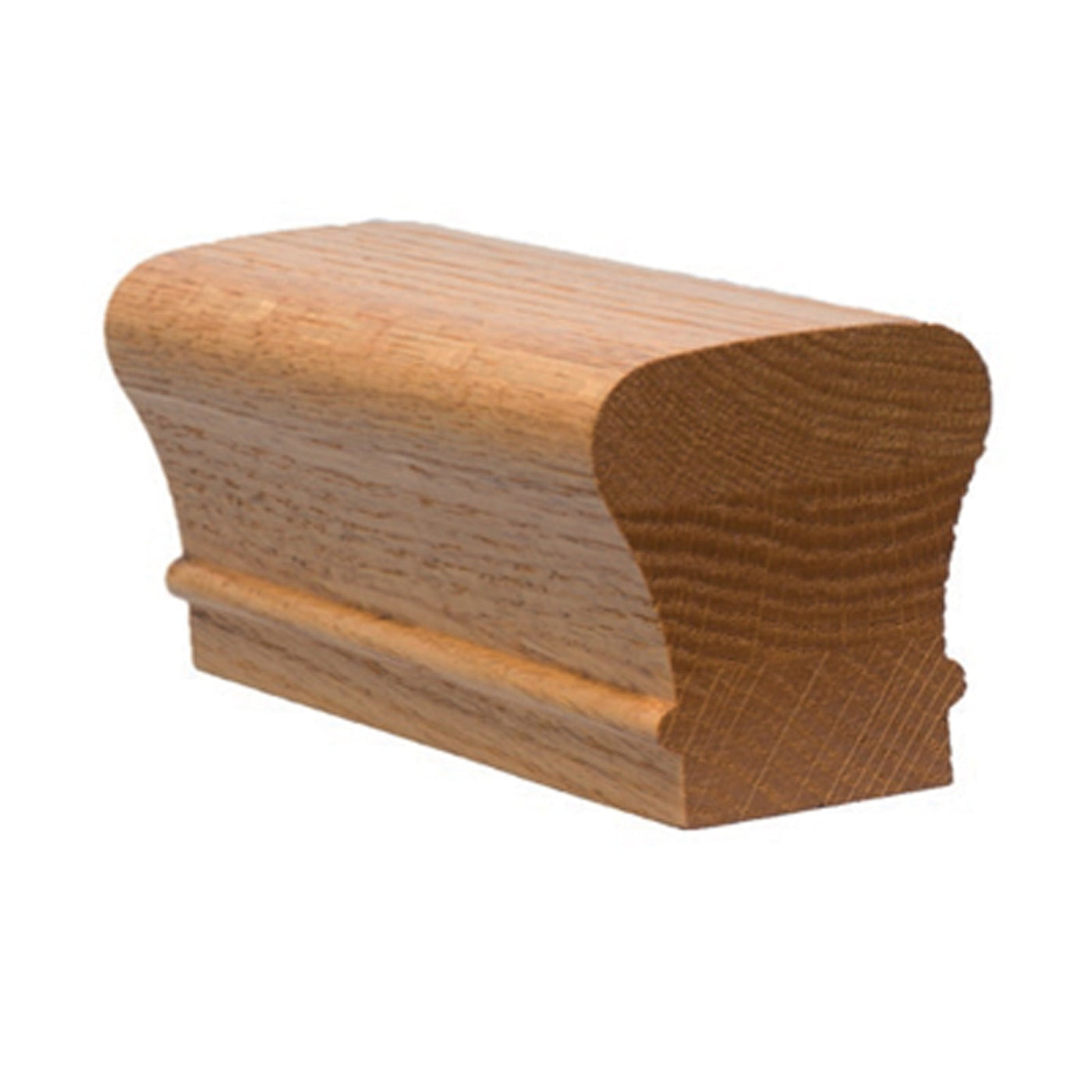
Traditional wall rail designs invoke historical architectural traditions that bring warmth and sophistication to staircase areas. The 6010 Colonial Handrail represents this design philosophy at its finest, featuring classic profiling refined through generations of craftsmanship. These designs prove particularly suitable for period restorations, formal interior designs, or homeowners drawn to timeless elegance.
Colonial-style handrails incorporate subtle decorative elements within their profile geometry—gentle curves and contoured edges that evoke earlier craftsmanship eras. While understated compared to ornate Victorian interpretations, these details provide sufficient visual interest to establish the railing as a meaningful design element. The visual weight of traditional profiles complements other classical interior elements including crown molding, wainscoting, and formal furniture arrangements.
For authentic traditional installations:
– Match wood species with existing staircase elements (cherry, walnut, oak)
– Coordinate with wooden newel posts and balustrades for visual continuity
– Select finishes that enhance natural wood grain rather than obscure it
– Maintain consistent mounting height (typically 34-38 inches above stair treads)
Traditional installations often coordinate with matching wood species and finish treatments to ensure the wall-mounted railing feels like an integral component rather than an afterthought—particularly important in entryways where railings significantly influence first impressions.
Budget-Smart Wall Mount Stair Railing Ideas Under $100

Wall rail projects accommodate diverse budget constraints without sacrificing essential quality. Entry-level products demonstrate that functional, attractive stair railings remain accessible, with quality options beginning around $23 for basic round profiles. These products maintain fundamental safety standards while offering straightforward installation suitable for DIY projects.
The Round 1-1/2″ diameter Wood Handrail represents an excellent entry point, providing the classic cylindrical grip at accessible price points. Similarly, the 6042 Oval Wall Rail – Thin demonstrates that contemporary aesthetics need not command premium pricing, with options beginning around $31. These products typically feature standard dimensional offerings in common wood species, providing reliable functionality without enhanced materials.
Smart budget allocation involves:
– Investing in quality mounting hardware regardless of railing cost
– Prioritizing pre-finished products for reduced long-term maintenance
– Considering total lifecycle cost rather than initial purchase price
– Matching railing complexity to your skill level for DIY installations
Mid-range products (mid-$40s through mid-$500s) offer meaningful upgrades in aesthetic sophistication and material quality. The 6040 Round Wall Rail with Flat Bottom and 5600 Contemporary Oval Flat Bottom Handrail deliver enhanced design characteristics while remaining accessible to most homeowners.
Professional Installation Tips for Wall-Mounted Stair Railings
Professional installation is recommended for most wall rail projects, particularly those involving longer runs or complex configurations. However, many product offerings accommodate DIY installation by homeowners with basic carpentry skills, especially for straightforward straight-run installations.
Follow these essential installation steps:
1. Determine appropriate mounting height (34-38 inches above stair treads)
2. Mark bracket positions at regular intervals not exceeding four feet apart
3. Use a level to ensure bracket alignment throughout the run
4. Assess wall structure to determine appropriate fastener selection
5. Attach brackets to wall structure, then secure handrail to brackets
Wall structure assessment determines appropriate fastener selection—solid wood backing provides ideal mounting conditions, while hollow wall constructions require specialized mounting hardware such as toggle bolts. Concrete or masonry walls need appropriate anchors and drilling techniques different from wood-frame construction.
Critical installation mistakes to avoid:
– Mounting brackets too far apart (exceeding four-foot intervals)
– Installing on inadequate wall structure without proper reinforcement
– Incorrect height measurements that compromise ergonomics
– Skipping periodic inspections that ensure ongoing safety
Maximizing Longevity: Maintenance Tips for Wall-Mounted Railings
Proper maintenance ensures your wall mount stair railing ideas deliver lasting safety and aesthetic appeal. Wood handrails in appropriate interior environments require minimal maintenance beyond periodic cleaning and occasional refinishing to address wear or damage. The natural resilience of quality hardwoods accommodates daily use stresses while maintaining structural integrity.
Implement these maintenance practices:
– Conduct quarterly inspections for mounting bracket security
– Clean with appropriate wood cleaners (avoid harsh chemicals)
– Address minor scratches or wear with touch-up kits before they worsen
– Refinish every 5-7 years to maintain protective coating
Finish selection significantly influences appearance retention—factory-applied finishes from reputable manufacturers typically provide superior durability compared to field-applied alternatives. The initial investment in pre-finished products often proves economical through reduced maintenance costs and extended service life.
For rental properties or commercial applications, selecting durable materials and finishes minimizes ongoing maintenance needs, providing long-term cost savings despite potentially higher initial investment. Stainless steel fittings resist corrosion and maintain appearance with minimal intervention, while appropriate finish treatments protect wood surfaces from wear and moisture damage.
Wall mount stair railing ideas transform staircase safety into a design opportunity that enhances your entire interior. Whether you prefer traditional colonial elegance, contemporary minimalist restraint, or transitional flexibility, quality railings provide decades of reliable service while elevating your home’s architectural character. By considering material options, dimensional specifications, and installation requirements together, you’ll select a railing system perfectly matched to your aesthetic vision, functional needs, and budget parameters—creating a lasting investment in your home’s safety and style that delivers both practical value and visual appeal for years to come.