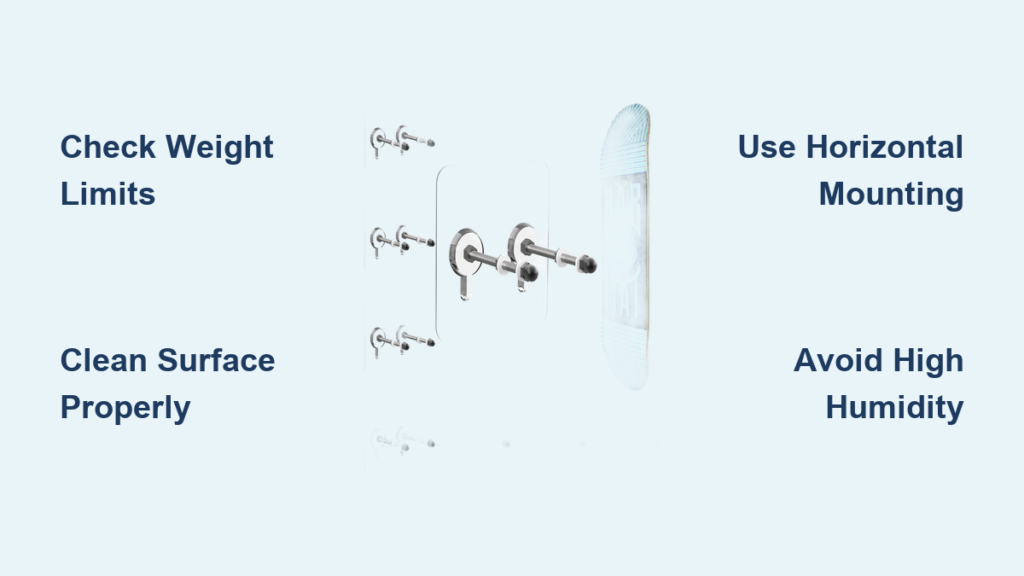
Hanging your skateboard collection on the wall instantly transforms your space, showcasing your passion while freeing up valuable floor space. But if you rent your apartment or can’t drill holes, traditional mounting methods aren’t an option. That’s where a skateboard wall mount no screws solution comes in—adhesive mounts let you display your decks securely without putting a single hole in your walls. These clever mounting systems use industrial-strength adhesive backing that sticks directly to painted drywall, providing a clean, minimalist display that won’t jeopardize your security deposit when it’s time to move.
Unlike traditional mounts requiring drills and tools, these no-screw alternatives install in minutes with zero hardware experience needed. Most quality adhesive mounts hold between 6.5 and 7.2 pounds—perfect for standard skateboard decks—while featuring low-profile, transparent designs that make your board the star. But before you stick your prized deck to the wall, you need to know the critical details about surface compatibility, weight limits, and installation techniques that determine whether your skateboard stays safely displayed or crashes to the floor. This guide reveals everything renters and no-drill enthusiasts need to know about making adhesive skateboard wall mounts work reliably in your space.
Why Adhesive Mounts Fail Without Warning
Adhesive skateboard wall mount no screws systems create a false sense of security because they fail catastrophically rather than gradually. Unlike screw-based mounts that typically loosen over time giving you warning, adhesive bonds often hold perfectly until they suddenly release—sending your skateboard crashing down with no prior indication. This unexpected failure mode is documented in multiple customer reviews where boards fell after months of apparently secure mounting, sometimes causing damage to both the deck and the wall.
The root cause lies in how adhesive bonds work: they’re either fully intact or completely failed with no middle ground. Temperature fluctuations, humidity changes, or minor impacts can degrade the bond over time without visible signs. When the adhesive reaches its breaking point, it releases all at once rather than gradually like mechanical fasteners. This makes adhesive mounts particularly risky for valuable or irreplaceable decks where even a single failure could mean permanent loss.
For renters specifically, the irony is that adhesive mounts can sometimes cause more wall damage than screw holes would have. When removal time comes, the strong adhesive often rips paint off the wall in sheets—damage that exceeds what small screw holes would have created. Always check your lease agreement; many landlords permit small picture-hanging holes while prohibiting any method that removes paint.
Exact Weight Limits That Determine Success
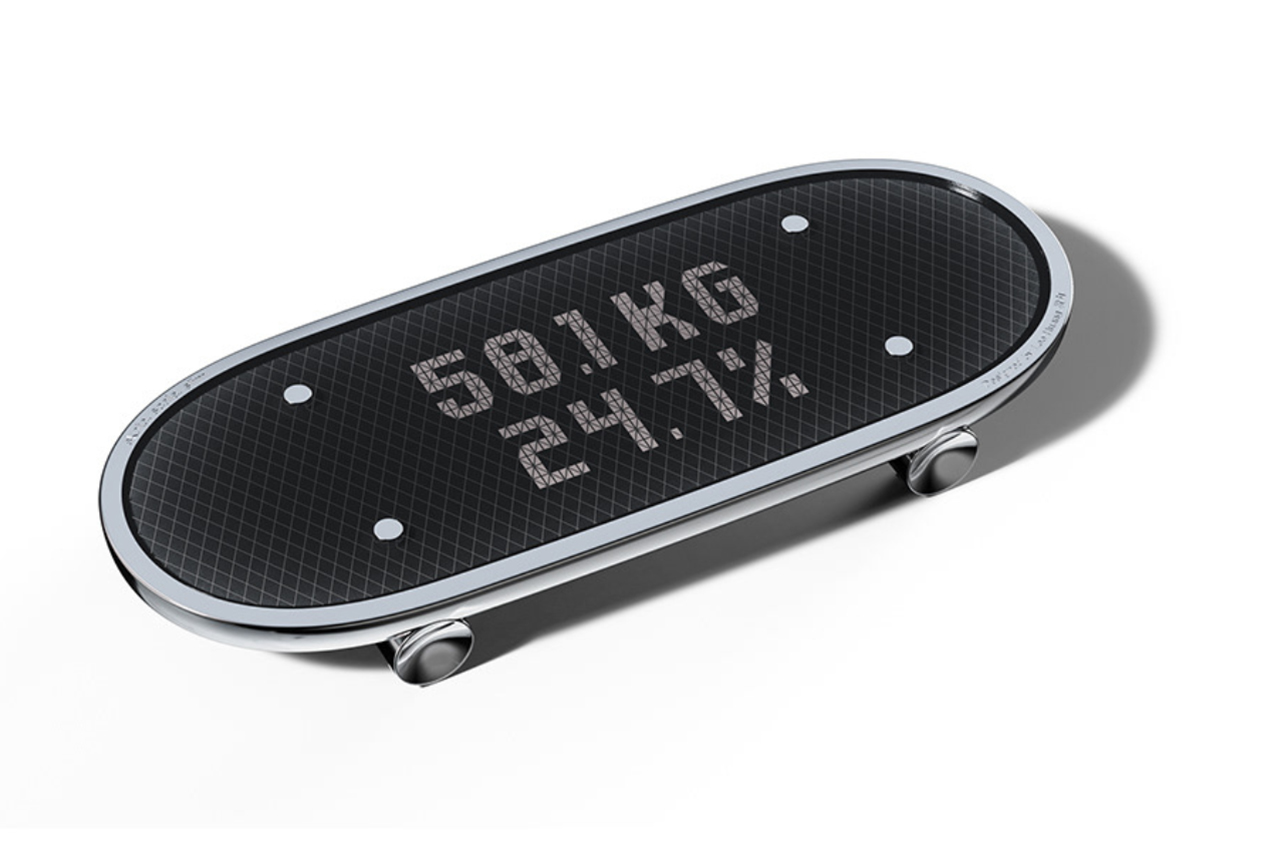
Your skateboard wall mount no screws system lives or dies by strict adherence to weight specifications—exceeding these limits guarantees failure. Every quality adhesive mount has two critical weight thresholds you must know:
- Minimum weight requirement: 6.5 pounds (decks lighter than this won’t maintain proper tension)
- Maximum weight capacity: 7.2 pounds (exceeding this causes sudden adhesive failure)
These precise limits exist because adhesive bonds require specific pressure to maintain integrity. Skateboards weighing less than 6.5 pounds don’t apply enough constant downward force, allowing the adhesive to gradually lose contact with the wall. Decks heavier than 7.2 pounds create stress that exceeds the adhesive’s molecular bonding capacity, leading to complete failure.
To verify your deck’s weight:
1. Place your skateboard on a digital scale (remove trucks first if necessary)
2. Add 0.5 pounds for mounting hardware weight
3. Confirm total falls within the 6.5-7.2 pound sweet spot
If your deck falls outside this range, you have two options: use two adhesive mounts for heavier decks (horizontal display) or choose screw-based alternatives entirely. Never “hope for the best” with weight limits—adhesive mounts provide zero margin for error.
Surface Preparation Checklist That Prevents 90% of Failures

Proper surface preparation makes the difference between a mount that holds for years and one that fails within days. Follow this exact checklist to maximize adhesion:
Step 1: Surface Verification
– Confirm you’re mounting on smooth, painted drywall (no texture)
– Test paint adhesion by pressing and peeling masking tape—paint shouldn’t flake
– Avoid all wallpapered surfaces (adhesive will destroy wallpaper)
Step 2: Deep Cleaning Process
– Wipe area with isopropyl alcohol (not water) to remove oils
– Use circular motions with clean microfiber cloth
– Allow 15 minutes drying time before installation
Step 3: Environmental Check
– Room temperature must be 65-80°F (18-27°C)
– Humidity below 60% RH
– No direct sunlight on mounting area
Skipping any of these steps dramatically increases failure risk. One verified purchaser noted their mount failed repeatedly until they discovered invisible cooking grease on their kitchen wall—after proper cleaning with alcohol, the mount held securely. Remember: the adhesive bond is only as strong as the surface it contacts, and invisible contaminants are the #1 cause of premature failure.
Horizontal vs. Vertical Mounting: Which Saves Your Deck?
Your display orientation directly impacts mounting reliability with skateboard wall mount no screws systems. Understanding the physics behind each method helps you choose wisely:
Horizontal Display (Two Mounts Required)
Horizontal mounting uses two adhesive mounts positioned at either end of your deck, spreading weight across two adhesive points. This configuration:
– Reduces stress on each adhesive bond by 50%
– Provides rotational stability (prevents board twisting)
– Requires precise leveling (1/8″ misalignment causes uneven stress)
– Works best for decks 31″+ long
For horizontal mounting to succeed, both mounts must share equal weight distribution. Use a level to mark both positions simultaneously, and install within 5 minutes of each other to prevent temperature-related expansion differences. Always test by gently pressing down on the board’s center—if one mount bears more weight, the system will fail prematurely.
Vertical Display (Single Mount)
Vertical mounting uses one adhesive mount with the board hanging vertically (trucks up or down). This creates:
– All weight concentrated on a single adhesive point
– Higher failure risk but striking visual impact
– Requires perfect weight distribution (no heavy graphics on one end)
– Best for decks under 31″ long
Vertical displays demand exact centering—measure from nose to tail and mark the precise midpoint. Even a 1/4″ offset creates torque that gradually peels the mount from the wall. For valuable decks, vertical mounting carries significantly higher risk than horizontal configurations.
When You Must Choose Screw Mounts Instead

Certain situations absolutely require screw-based mounting despite your no-screw preference. Don’t risk your deck by using adhesive mounts when any of these conditions apply:
Your skateboard has irreplaceable value
– Custom artwork you can’t recreate
– Limited edition or pro model decks
– Boards with sentimental significance
– Any deck worth more than $100
You need permanent, worry-free display
– Long-term installations (6+ months)
– Commercial spaces with frequent visitors
– Areas with temperature fluctuations
– Rooms with high humidity (bathrooms, kitchens)
Your wall surface isn’t ideal
– Textured drywall (orange peel, knockdown)
– Freshly painted walls (less than 30 days)
– Walls with minor imperfections
– Any surface other than smooth painted drywall
The reality check: small screw holes are easier to patch than paint damage from failed adhesive mounts. Most landlords accept small nail holes while considering adhesive-caused paint removal as damage requiring full repainting. For decks you truly care about, the minimal wall repair from screw mounts provides dramatically better peace of mind.
Emergency Reinforcement Techniques for Failing Mounts
If you notice early warning signs of adhesive failure, these emergency techniques can temporarily save your display—but treat them as stopgaps, not permanent solutions:
Clear Adhesive Reinforcement Method
1. Purchase transparent double-sided mounting tape (3M Command Strips work best)
2. Cut tape into 1″ squares matching mount corners
3. Press firmly over each mount corner for 30 seconds
4. Test by gently pulling down on board (should resist firmly)
Edge Sealing Technique
– Apply thin bead of clear silicone caulk around mount edges
– Smooth with finger dipped in soapy water
– Allow 24 hours cure time before relying on mount
– Creates moisture barrier preventing humidity damage
Warning: These are temporary fixes only. If your mount shows any peeling, complete failure is imminent. Documented cases show reinforced mounts failing within 2-4 weeks despite these measures. For valuable decks, immediate transition to screw-based mounting is the only truly safe solution.
Choosing Your Best No-Screw Mounting Strategy
The right skateboard wall mount no screws solution depends entirely on your specific circumstances. Renters with temporary housing and standard decks can successfully use adhesive mounts when following precise installation protocols on ideal surfaces. But for valuable collections, permanent displays, or less-than-perfect wall conditions, the risk simply isn’t worth it.
Before purchasing any no-screw mount, honestly assess:
– How much would you lose if your deck fell tomorrow?
– How long will this display remain installed?
– What’s your landlord’s actual policy on wall modifications?
– Is your wall surface truly ideal for adhesion?
For most skateboard enthusiasts, the smart strategy combines approaches: use adhesive mounts for inexpensive decks in temporary spaces while reserving screw-based mounts for valuable boards and permanent installations. This balanced approach lets you enjoy wall displays throughout your space without risking your prized collection. Remember—no mounting system is perfect, but understanding the limitations of skateboard wall mount no screws solutions helps you make informed choices that keep your decks safely displayed where they belong: on your wall, not your floor.