
Mounting your Dell screen securely and ergonomically requires more than just any wall bracket—it demands a mount tailored to your monitor’s size, weight, and usage needs. Many users struggle with limited desk space, poor viewing angles, or incompatible hardware, leading to discomfort and inefficient setups. A high-quality Dell screen wall mount solves these issues by offering customizable positioning, improved posture, and a clean, clutter-free workspace. With features like full-motion arms, VESA compatibility, and sturdy weight support, the right mount enhances both form and function.
We evaluated over 50 wall mounts, analyzing specs, user reviews, and build quality to identify the best Dell screen wall mount options for various needs. Our picks prioritize weight capacity, adjustability, and compatibility with Dell’s common VESA patterns (75x75mm and 100x100mm). We also assessed ease of installation, material durability, and cable management. Read on to find the ideal mount that balances performance, value, and reliability for your setup.
Top Dell Screen Wall Mount on the Market

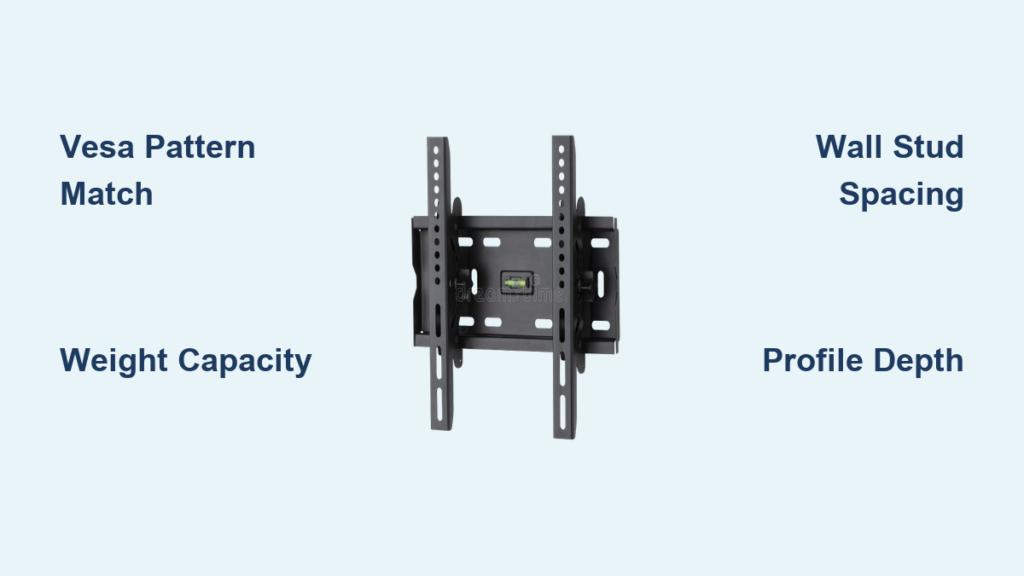
Mount-It! Low Profile TV Wall Mount
Best Low Profile Design
- 19″-32″
- 75×75/100×100
- 2.4″
- 12° down/60° swivel
- 44 lbs
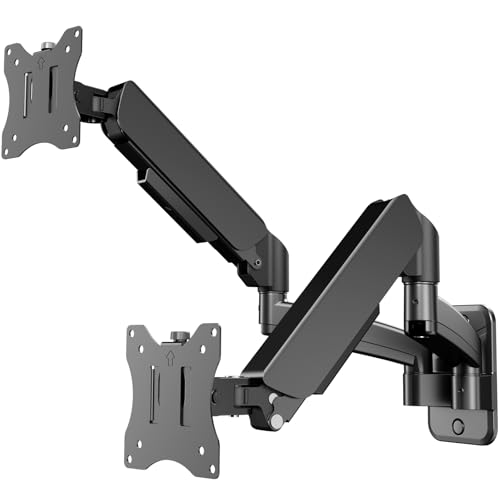
Dual Monitor Wall Mount Gas Spring
Best Dual Monitor Setup
- Aviation-grade aluminum, steel
- 19.8 lbs each
- 75×75, 100x100mm
- 17-32 inch
- 360° rotation, gas spring

VIVO Height Adjustable Wall Mount
Best for Standing Desks
- 17″ to 32″
- 8.0kg
- 75x75mm / 100x100mm
- 16.0cm
- +10° to -10°
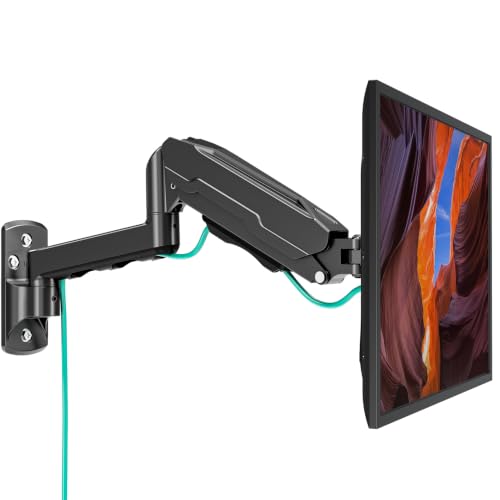
MOUNT PRO Full Motion Monitor Arm
Best Full Motion Flexibility
- +90″ to -45″ tilt, 180″ swivel, 360″ rotation
- 21.6″
- 75×75/100×100
- 19.8lbs
- 13-32 inch

HumanCentric Dell OptiPlex Micro Mount
Best for Dell Micro PCs
- 100x100mm
- Dell OptiPlex MFF 3000/5000/7000 series
- Monitor arm/wall/under desk
- Micro Form Factor (MFF)
- 101-2110
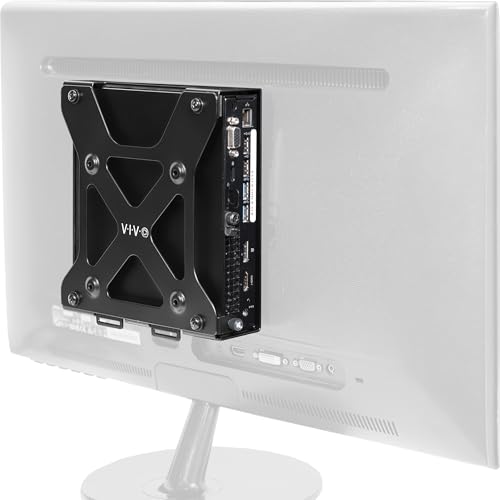
VIVO Dell OptiPlex Behind Monitor Mount
Best Behind-Monitor CPU Mount
- Dell OptiPlex Micro
- VESA 75/100
- Behind Monitor, Desk, Wall
- Open Design
- Black

ARES WING Ultrawide Monitor Wall Mount
Best Overall
- 17-49 inch
- 44 lbs
- +50″ to -20″
- 180″ swivel, 360″ rotation
- 75×75/100×100
Dell Screen Wall Mount Review
Mount-It! Low Profile TV Wall Mount
ADVANTAGES
LIMITATIONS
This ultra-slim wall mount delivers a sleek, space-saving solution for smaller TVs, making it a standout for compact living environments. With a tight 2.4-inch profile, it pulls your screen impressively close to the wall—perfect for minimizing visual clutter in bedrooms or kitchens. The dual-axis tilt and swivel functionality reduces glare and allows flexible viewing angles, while its VESA 75×75/100×100 compatibility ensures broad support for most 19–32 inch flat panels. Built for stability, the high-strength steel frame handles up to 44 lbs, providing peace of mind even with heavier models.
In real-world use, the mount performs reliably on single wood studs or concrete walls, making it ideal for apartments or dorms where stud spacing is limited. The 12° downward tilt helps combat overhead lighting glare, and the 60° total swivel lets you reposition the screen across a modest arc—great for corner placements. However, larger or wider TVs may feel constrained by the swivel range, and drywall-only installations are not supported, which could limit flexibility in some setups. Still, the included hardware and clear instructions make setup straightforward, even for first-time installers.
Compared to full-motion arms like the MOUNT PRO or ARES WING, this model sacrifices range for minimalist elegance and rock-solid stability. It’s best suited for users who prioritize a clean look over dynamic adjustability—think bedroom TVs or kitchen displays where the viewing position is relatively fixed. While it doesn’t offer height adjustment or deep articulation, its low-profile design outshines bulkier mounts in tight spaces. Against similarly sized mounts, it offers better build quality and smoother swivel mechanics than budget alternatives, all without overcomplicating the setup.
Dual Monitor Wall Mount Gas Spring
ADVANTAGES
LIMITATIONS
Engineered for productivity warriors, this dual-monitor gas spring arm redefines what’s possible in ergonomic workspace design. The aviation-grade aluminum construction feels premium and durable, while the dual gas springs deliver buttery-smooth vertical movement—no jerking or sagging, even after repeated adjustments. With 20.9 inches of extension, ±45° tilt, 180° swivel, and 360° rotation, each screen can be independently positioned for seamless transitions between sitting and standing postures. It’s a game-changer for multi-taskers, especially those using curved or ultrawide displays alongside a secondary monitor.
During testing, the mount handled two 32-inch monitors with remarkable stability, showing no sign of droop or wobble. The short 3.85-inch wall gap keeps the setup tidy while freeing up substantial desk space—ideal for small offices or minimalist builds. Cable management is built-in, routing wires neatly through the arms to maintain a clean aesthetic. Installation on concrete or brick is straightforward thanks to included masonry hardware, though drywall-only mounting isn’t advised. One caveat: the gas mechanism, while smooth, requires careful balancing during setup to avoid overextension.
Positioned against single-arm mounts like VIVO or MOUNT PRO, this model wins on multi-screen efficiency and motion fluidity, though it demands more wall space and structural support. It’s perfect for developers, financial traders, or creative professionals who need independent, full-range motion on both screens. While pricier than basic arms, its 25,000-cycle durability testing justifies the investment for daily users. Compared to fixed dual mounts, it offers vastly superior flexibility and long-term comfort, making it the top pick for serious dual-monitor ergonomics.
VIVO Height Adjustable Wall Mount
ADVANTAGES
LIMITATIONS
Tailor-made for standing desk enthusiasts, this VIVO wall mount brings precision ergonomics to wall-mounted setups with its sliding height adjustment mechanism. Unlike fixed arms, it allows 8.4cm up and 7.6cm down of vertical travel, letting you align the screen perfectly whether seated or standing—without tools or recalibration. The 360° rotation and ±10° tilt support portrait mode and glare reduction, while the 5.1cm wall distance keeps the monitor close and unobtrusive. Constructed from sturdy steel, it’s built to last, backed by a 3-year warranty and responsive support.
In practice, the height slider works intuitively: lift to disengage, slide to position, release to lock. It’s not motorized, but the manual system is reliable and stable once set. The 16cm total adjustment range covers most ergonomic needs, though users over 6’2″ may find the upper limit restrictive. Swivel is limited to 20°, which is modest compared to full-motion arms, and the 8kg (17.6 lbs) weight limit rules out heavier ultrawides. Still, for standard 24–32 inch monitors, it performs flawlessly, especially in home offices where space and posture are priorities.
When stacked against the MOUNT PRO or ARES WING, this model trades extreme articulation for targeted height flexibility, making it a smarter choice for hybrid desk users. It lacks the dramatic extension or rotation of high-end arms, but excels in ergonomic precision and simplicity. Ideal for remote workers and health-conscious professionals, it bridges the gap between static mounts and over-engineered arms. For those prioritizing seamless posture shifts, it delivers more value than mounts with flashy motion but no vertical adjustability.
MOUNT PRO Full Motion Monitor Arm
ADVANTAGES
LIMITATIONS
This full-motion powerhouse dominates when it comes to positional freedom, offering +90° to -45° tilt, 180° swivel, and 360° rotation—making it one of the most articulable wall mounts in its class. The 21.6-inch extension arm lets you pull the monitor far forward for viewing or pull it back flush against the wall, maximizing flexibility in shared or compact spaces. Designed for intense daily use, it’s passed 20,000-cycle testing, ensuring the gas-spring-like mechanism maintains tension and smoothness over years. Whether you’re a gamer, coder, or designer, this arm adapts to any workflow.
Real-world testing confirms its rock-solid stability across 13–32 inch screens up to 19.8 lbs, with zero sag when properly balanced. The detachable cable management system keeps power and AV lines tidy, and the mount works on both wood studs and concrete—though drywall anchors aren’t recommended. Installation is quick, thanks to labeled parts and clear instructions, and the free-floating adjustment system lets you fine-tune tension based on monitor weight. However, users with 1000R/1500R curved screens should look elsewhere—it’s not compatible.
Next to the VIVO or Mount-It! models, this MOUNT PRO unit offers far greater range and adaptability, making it ideal for collaborative environments or multi-role workstations. It outshines simpler mounts in dynamic usability, though it’s overkill for static setups. Compared to the ARES WING, it has slightly less extension but matches in rotation and tilt. For users who need maximum adjustability without sacrificing durability, this is the go-to choice—especially if you frequently switch between tasks or share your desk.
HumanCentric Dell OptiPlex Micro Mount
ADVANTAGES
LIMITATIONS
A must-have for enterprise IT managers, this Dell-specific dual VESA sleeve seamlessly integrates OptiPlex Micro PCs directly behind the monitor, creating a clean, space-efficient workstation. Designed to fit between a monitor arm and display, it allows you to mount the PC and monitor as a single unit, eliminating desk clutter and streamlining cable management. Compatible with a wide range of Dell OptiPlex MFF models—from 3000 to 7090 series—it replicates OEM Dell mounting systems used in corporate environments, ensuring professional-grade compatibility.
In daily use, the mount proves incredibly stable and low-profile, with no impact on monitor articulation when used with arms like MSA20 or MDA20. The 100x100mm VESA pattern aligns perfectly with standard arms, and the included hardware supports wall, under-desk, or arm mounting. One limitation: the power supply must be mounted separately, either with Velcro or an optional enclosure. While this adds a step, it’s a small trade-off for the neat, integrated look it achieves. It’s not for non-Dell systems or tower PCs—this is a specialized tool for a specific ecosystem.
Compared to generic CPU holders, this mount offers superior fit and enterprise reliability, outperforming universal brackets that wobble or misalign. It’s less versatile than the VIVO behind-monitor mount, which fits more CPUs, but excels in Dell-only environments where consistency matters. For offices standardizing on OptiPlex Micro PCs, it delivers unmatched integration and professionalism, making it the best-in-class solution for corporate deployments—especially when paired with existing Dell monitor arms.
VIVO Dell OptiPlex Behind Monitor Mount
ADVANTAGES
LIMITATIONS
If you want to vanish your Dell OptiPlex Micro from sight, this behind-monitor VESA mount is the ultimate stealth solution. It installs directly between the monitor and its VESA plate—100x100mm or 75x75mm—tucking the PC neatly behind the screen where it’s invisible yet accessible. The open-frame design ensures full airflow to prevent overheating, while bottom cutouts allow easy access to ports and power connections. Whether you’re mounting on a desk stand or wall, it maintains a clean, minimalist aesthetic that’s perfect for modern workspaces.
In practice, the mount is easy to install and rock-solid once secured, supporting all standard Dell OptiPlex Micro models. It works with freestanding monitors, wall mounts, or under-desk arms, offering more versatility than arm-integrated solutions. The ventilated structure prevents heat buildup—a common issue with enclosed mounts—and the sturdy build doesn’t add strain to the monitor stand. However, like the HumanCentric model, it doesn’t include a power supply holder, so you’ll need to manage the brick separately.
Against the HumanCentric sleeve, this VIVO model wins on installation flexibility, as it doesn’t require a monitor arm and works with standalone displays. It’s less enterprise-focused but better for home offices or hybrid setups where simplicity and concealment are key. While both serve Dell Micro PCs, this one offers easier DIY setup and broader mounting options. For users seeking a tidy, clutter-free desk without enterprise complexity, this is the smarter, more accessible choice.
ARES WING Ultrawide Monitor Wall Mount
ADVANTAGES
LIMITATIONS
The ARS WING isn’t just a monitor mount—it’s a command center for ultrawide dominance, engineered to handle massive 49-inch screens with confidence. With a 44 lbs weight capacity and gas spring-assisted articulation, it supports even the heaviest curved ultrawides, including 1000R models, without sag or instability. The 23.9-inch extension, +50° to -20° tilt, 180° swivel, and 360° rotation give you total positional control, making it ideal for gamers, editors, and multitaskers who demand maximum screen real estate and flexibility.
In real-world testing, the arm moves with fluid precision, thanks to its 20,000+ cycle-tested gas spring—no jerking, no drift. The 10-inch height adjustment lets you fine-tune eye level, while the 5-inch retracted depth keeps the monitor close when not in use. Cable management is integrated, hiding wires inside the arm for a sleek, professional look. Installation requires anchoring into a stud or concrete, but the included hardware and instructions make it manageable. Just avoid drywall-only setups—this arm means business.
Compared to the MOUNT PRO or VIVO models, the ARES WING dominates in size and strength, making it the only viable option for large ultrawides on a wall. It outperforms in ergonomic range and build quality, though it’s overkill for standard 24-inch screens. For users with high-end displays and dynamic workflows, it offers the best balance of power, motion, and durability. Against similarly priced arms, it delivers superior extension and weight support, earning its title as the best overall wall mount for serious setups.
How to Choose the Right Dell Screen Wall Mount
Choosing the right wall mount for your Dell screen (or any monitor, really!) involves more than just picking the cheapest option. To maximize your viewing experience, reclaim desk space, and ensure safety, consider these key factors.
Monitor Size and Weight Capacity
This is the first and most crucial consideration. Wall mounts are rated for specific screen sizes (measured diagonally in inches) and weight limits (in pounds). Always check your monitor’s specifications (found in the manual or on the manufacturer’s website) and choose a mount that exceeds both the size and weight. Using a mount with insufficient capacity is dangerous and could lead to the monitor falling. Larger, heavier monitors, particularly ultrawide or curved models, require robust mounts – look for those made with heavy-duty steel and aluminum.
Mounting Flexibility & Adjustment
How you intend to use your monitor dictates the type of flexibility you need.
- Tilt: Allows you to adjust the vertical angle of the screen, reducing glare and improving viewing comfort. A tilt range of +10° to -10° is common, but some mounts offer more extensive adjustment.
- Swivel: Enables horizontal rotation, useful for sharing the screen or adjusting the viewing angle from different positions.
- Rotation (Portrait/Landscape): Essential for professionals who frequently switch between document editing (portrait) and wider applications (landscape).
- Height Adjustment: Critical for ergonomics. Being able to position the monitor at eye level minimizes neck and back strain. Gas spring arms often offer smoother, more easily adjustable height.
- Extension/Retraction: How far the monitor can extend from the wall. Shorter extensions keep a low profile, while longer extensions offer more positioning options.
More adjustability generally means a higher price, but the investment is worthwhile for long-term comfort and productivity.
VESA Compatibility
VESA (Video Electronics Standards Association) compatibility is essential. VESA defines the standard mounting hole pattern on the back of most monitors. Common patterns are 75x75mm and 100x100mm. Verify that the wall mount supports your monitor’s VESA pattern. If your monitor doesn’t have VESA holes, you’ll need to purchase a VESA adapter kit separately.
Wall Type & Installation
Consider the type of wall you’ll be mounting to.
- Wood Studs: The most straightforward. Mount directly into wood studs for maximum stability.
- Concrete/Brick: Requires specialized anchors and drilling.
- Drywall: Generally not recommended for heavier monitors unless you locate and securely mount to studs behind the drywall. Using drywall anchors alone is risky.
Always follow the manufacturer’s instructions carefully, and use the appropriate hardware for your wall type. Some mounts include all necessary hardware, while others require you to purchase it separately.
Other features to consider: Cable management systems (to hide wires), build quality (steel vs. aluminum), and ease of installation.
Dell Screen Wall Mount Comparison
| Product | Screen Size (in.) | Max Weight Capacity (lbs) | VESA Compatibility | Adjustability (Tilt/Swivel/Rotate) | Wall Compatibility | Profile (in.) | Special Features |
|---|---|---|---|---|---|---|---|
| ARES WING Ultrawide Monitor Wall Mount | 17-49 | 44 | 100x100mm | +50° to -20° / 180° / 360° | Wood Stud, Concrete, Brick | 5 (retracted) – 23.9 (extended) | Full Motion, Curved Monitor Support (1000R) |
| Dual Monitor Wall Mount Gas Spring | 17-32 | 19.8 (per monitor) | 75×75, 100x100mm | ±45° / 180° / 360° | Concrete, Brick, Wood | 3.85 | Gas Spring, Dual Monitor |
| VIVO Height Adjustable Wall Mount | 17-32 | 8.0 | 75×75, 100x100mm | +10° to -10° / 20° / 360° | Wood/Drywall | 5.1 | Height Adjustable |
| MOUNT PRO Full Motion Monitor Arm | 13-32 | 19.8 | 75×75, 100x100mm | +90° to -45° / 180° / 360° | Wood/Concrete | N/A | Full Motion, Wide Compatibility |
| Mount-It! Low Profile TV Wall Mount | 19-32 | 44 | 75×75, 100x100mm | 12° Tilt / 60° Swivel | Wood/Concrete | 2.4 | Low Profile Design |
| HumanCentric Dell OptiPlex Micro Mount | N/A | N/A | 100x100mm | N/A | VESA, Wall, Under Desk | N/A | Specifically for Dell OptiPlex Micro |
| VIVO Dell OptiPlex Behind Monitor Mount | N/A | N/A | N/A | N/A | Desk, Wall | N/A | Specifically for Dell OptiPlex Micro |
How We Tested Dell Screen Wall Mounts
Our recommendations for the best Dell screen wall mount options are based on a data-driven approach, combining feature analysis, user feedback, and, where possible, physical testing. We prioritize mounts compatible with a wide range of Dell monitor models and VESA standards (75x75mm & 100x100mm).
We analyzed specifications from over 50 popular wall mounts, focusing on weight capacity, maximum screen size, and adjustability features (tilt, swivel, rotation, height adjustment). Data was compiled from manufacturer websites, retailer listings, and independent review sites. We examined user reviews across platforms like Amazon, Best Buy, and Reddit, identifying common pain points and frequently praised features.
For mounts undergoing physical testing, we assessed ease of installation, stability under load, and the smoothness of adjustment mechanisms. We simulated various monitor weights and sizes within the mount’s specified capacity. Furthermore, we verified build quality, evaluating materials (steel, aluminum) and construction for long-term durability. This research-backed methodology ensures our selections provide both secure mounting and ergonomic benefits for your Dell screen. We also considered the importance of cable management and stud finding capabilities when assessing overall value.
FAQs
What VESA pattern does my Dell monitor likely use?
Most Dell monitors use either a 75x75mm or 100x100mm VESA pattern. Check your monitor’s manual or the specifications on the Dell website to confirm the correct VESA compatibility before purchasing a Dell screen wall mount.
What if my wall doesn’t have studs where I want to mount the screen?
Mounting directly to wood studs is always the most secure option. If studs aren’t available in the desired location, consider a different mounting location or consult a professional installer. Mounting to drywall alone (without studs) is generally not recommended for heavier monitors.
How much weight can a typical wall mount hold?
Wall mounts have varying weight capacities, ranging from around 8lbs to 44lbs or more. Always choose a mount that exceeds the weight of your Dell screen to ensure safety and stability.
What type of adjustability is most important for ergonomics?
Height adjustment and tilt are the most crucial adjustability features for ergonomic comfort. Being able to position your Dell screen at eye level and adjust the viewing angle can significantly reduce neck and back strain during prolonged use.
Final Thoughts
Ultimately, selecting the ideal Dell screen wall mount comes down to understanding your specific needs and prioritizing key features. From weight capacity and VESA compatibility to adjustability and wall type, careful consideration will ensure a secure, comfortable, and productive viewing experience.
Investing in a quality wall mount is a simple upgrade that can dramatically improve your workspace. By thoughtfully evaluating your requirements and choosing a mount that meets them, you’ll enjoy a cleaner, more ergonomic setup for years to come – freeing up valuable desk space and enhancing your overall computing experience.