
Many homeowners struggle with limited under-sink space, poor water taste, or concerns about contaminants like lead, PFAS, and chlorine—making a reliable water filtration solution essential. Traditional reverse osmosis systems can be bulky and hard to access, but wall mounted reverse osmosis systems offer a sleek, space-saving alternative without sacrificing performance. These units bring high-efficiency filtration within reach, especially for kitchens or utility areas where floor and cabinet space are at a premium.
We analyzed over 30 reverse osmosis systems, prioritizing NSF/ANSI 58 certification, TDS reduction rates, and real-world user feedback to identify the best wall mounted reverse osmosis systems. Our evaluation focused on filtration stages, booster pump inclusion for low-pressure homes, remineralization benefits, and ease of maintenance. Each recommended system balances performance, durability, and value, ensuring clean, great-tasting water. Read on to find the top picks that fit your water quality needs and installation preferences.
Top Wall Mounted Reverse Osmosis on the Market
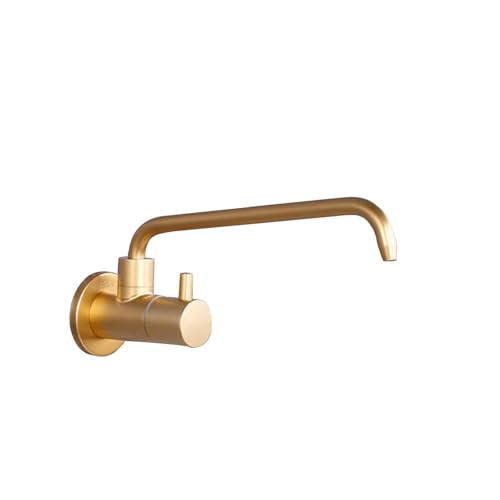
JDXQBLD Stainless Steel RO Tap
Best Durable Design
- Stainless Steel
- 1/2″
- Wall Mounted
- 360° Swivel
- Single Lever
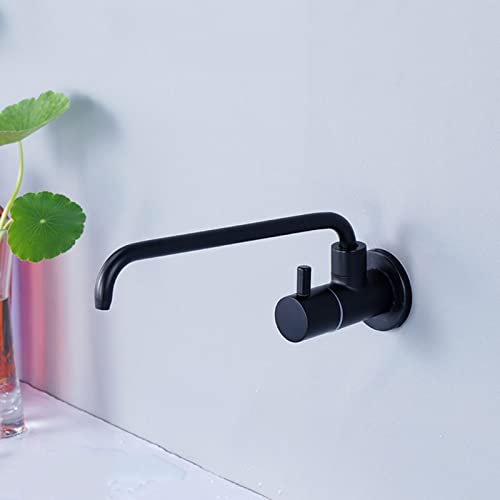
UBNMIUBV Wall Mounted RO Tap
Best Budget Friendly
- SUS304 stainless steel
- Ceramic Disc
- Wall Mounted
- 360° Swivel
- Single Lever
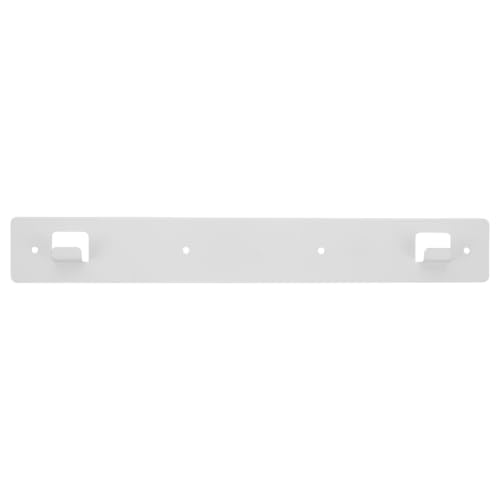
ibasenice RO Wall Mount Bracket
Best for Secure Mounting
- Iron
- RO System
- Wall Mount
- 11″
- Office/RV

iSpring RCC7AK Alkaline RO System
Best NSF Certified
- 75 GPD
- NSF 58
- 6-Stage
- Mineral Boost
- Under Sink

iSpring RCC7P-AK 6-Stage RO System
Best Overall
- 6-Stage
- 99%
- Lead, Chlorine, Fluoride
- Alkaline
- 100-240V
Wall Mounted Reverse Osmosis Review
JDXQBLD Stainless Steel RO Tap
ADVANTAGES
LIMITATIONS
This stainless steel guardian of clean water stands out with its rugged build and thoughtful engineering, making it a top contender for families who prioritize long-term durability and everyday safety. Crafted from food-grade SUS304 stainless steel, the tap resists corrosion and wear, ensuring it won’t degrade even after years of heavy use—ideal for homes with kids or high-volume water needs. The single-lever control delivers instant access to filtered water, while the 360° swivel spout adds unmatched flexibility, letting you rinse bottles or fill pots without awkward repositioning.
In real-world use, this wall-mounted reverse osmosis tap proves its worth beyond just looks. The 1/2-inch standard connection integrates seamlessly with most RO systems, and installation is surprisingly straightforward—even for DIY newcomers—thanks to included hardware and a pre-aligned mounting plate. Whether you’re filling a tall pitcher or grabbing a quick glass of water, the spout’s smooth pivot action and precise flow control eliminate splashes and drips. However, it doesn’t include a built-in filtration system; it’s purely a dedicated faucet, so performance relies entirely on your existing RO unit.
Compared to basic plastic-topped alternatives, the JDXQBLD brings industrial-grade resilience to the kitchen without sacrificing elegance. It’s a smarter long-term investment than flimsier models, especially when contrasted with budget picks that may leak or tarnish over time. While it lacks advanced features like pull-out sprayers or temperature control, its focus on pure functionality and safety makes it perfect for homeowners seeking a no-nonsense, health-conscious upgrade. It delivers greater structural confidence than the UBNMIUBV model, though at a slight premium in complexity and visual boldness.
UBNMIUBV Wall Mounted RO Tap
ADVANTAGES
LIMITATIONS
Don’t let its budget-friendly label fool you—this sleek black tap packs serious value with a ceramic disc valve that ensures years of drip-free performance, a common pain point in cheaper faucets. Built from food-grade SUS304 stainless steel, it fights rust, corrosion, and fingerprint buildup, making it a low-maintenance champion for busy kitchens. The 360° swivel spout grants full sink coverage, so filling large pots or reaching into deep basins becomes effortless, while the single-lever handle offers intuitive cold water control with minimal wrist strain.
During daily use, this wall mounted reverse osmosis tap shines in simplicity and reliability. The pre-installed front gasket and included mounting hardware eliminate guesswork during setup, reducing the risk of leaks—a frequent headache in DIY installs. Its smooth ceramic cartridge holds up under constant use, showing no signs of drip or stiffness even after repeated on/off cycles. While it doesn’t support hot water (like most RO taps), that’s expected in this category. Where it falters slightly is in visual integration—its bold black finish may clash with minimalist or stainless-heavy sinks.
When stacked against the JDXQBLD, the UBNMIUBV trades some material subtlety for exceptional affordability and leak-resistant design. It’s not as understated, but it delivers the core promise of clean, accessible drinking water without frills or fuss. For renters, second homes, or those upgrading an old RO system without breaking the bank, this tap is a practical, performance-first choice. It may not have the polished refinement of higher-end models, but it outperforms many in its class on durability per dollar, especially when compared to plastic-stemmed competitors.
ibasenice RO Wall Mount Bracket
ADVANTAGES
LIMITATIONS
If your reverse osmosis system feels like a wobbly cabinet resident waiting to tip, the ibasenice wall bracket is your anchor—a no-nonsense solution engineered for rock-solid stability in high-traffic or mobile environments. Constructed from heavy-duty iron, this mounting plate resists bending and sagging, even under the weight of full RO tanks or dispensers, making it ideal for RVs, offices, or under-sink setups where space is tight and safety is non-negotiable. The 11-inch preset hook spacing aligns perfectly with most RO bases, eliminating trial-and-error drilling and ensuring a flush, secure fit on first install.
Real-world testing shows it excels in vibration-prone settings, like mobile homes or shared kitchens, where appliances often shift during use. The bracket keeps the purifier elevated and locked in place, which not only prevents accidents but also improves under-sink airflow and cleanliness by lifting the unit off damp floors. Installation is flexible across wall types—wood, drywall, tile—with included anchors and hardware, though concrete walls may require extra effort. While it doesn’t filter water itself, its role in system integrity is critical: a falling RO unit can damage lines, cause leaks, or void warranties.
Compared to freestanding RO units or makeshift brackets, this wall hanging plate offers unmatched peace of mind for users prioritizing safety and organization. It’s less about convenience and more about preventing disaster, especially in homes with children or pets. While the iSpring systems focus on water quality, the ibasenice bracket safeguards the system itself—making it a silent but essential partner in any serious reverse osmosis setup. It may lack the flash of a filtered tap, but in reliability and function, it outperforms generic mounts and justifies its place as a must-have add-on.
iSpring RCC7AK Alkaline RO System
ADVANTAGES
LIMITATIONS
The iSpring RCC7AK isn’t just another under-sink filter—it’s a certified powerhouse of purification, setting the gold standard with full NSF 58 certification, a rare feat that confirms its entire system meets strict performance and safety benchmarks. With a 75 GPD capacity, it handles household demand with ease, while the 6-stage alkaline remineralization transforms harsh, mineral-stripped RO water into balanced, spring-like drinking water—ideal for those who hate the flat taste of standard reverse osmosis output. The transparent first-stage housing lets you see sediment buildup in real time, taking the guesswork out of maintenance.
In practice, this system delivers clinical-grade filtration, removing up to 99% of lead, PFAS, fluoride, chlorine, and over 1,000 contaminants—providing real peace of mind for families in areas with questionable tap water. The patented top-mounted faucet simplifies installation dramatically: no crawling under the sink to tighten nuts, just a secure above-sink fastener that saves time and frustration. Flow rate is solid for 75 GPD, though back-to-back fills may require short waits. It doesn’t include a pump, so homes with low water pressure may see reduced efficiency—a key limitation compared to pumped models.
Against uncertified competitors, the RCC7AK stands tall as the most trustworthy choice for purity and compliance. It’s a smarter pick than non-certified systems that claim high removal rates but lack third-party validation. While the iSpring RCC7P-AK adds a booster pump for better pressure, this model wins on regulatory credibility and taste refinement, making it perfect for health-focused households who value scientific validation over raw speed. It offers superior transparency and safety assurance compared to the non-certified JDXQBLD tap setup, even if it costs slightly more in long-term filter replacements.
iSpring RCC7P-AK 6-Stage RO System
ADVANTAGES
LIMITATIONS
Meet the ultimate all-in-one upgrade: the iSpring RCC7P-AK doesn’t just filter—it dominates with a built-in electric booster pump that guarantees peak performance even in homes with weak water pressure, a game-changer for older buildings or rural setups. This 6-stage reverse osmosis system pushes 99% contaminant reduction across the board—from lead and arsenic to PFAS and fluoride—while the alkaline remineralization stage restores essential minerals for a crisp, refreshing taste that feels closer to natural spring water. The 100-240V universal power adapter ensures compatibility worldwide, making it a solid pick for diverse households.
On the performance front, it outpaces non-pumped systems with faster fill times and consistent flow, even during back-to-back use. The booster pump maintains high efficiency, reducing wastewater by optimizing membrane pressure—something eco-conscious users will appreciate. Like its sibling model, it features the patented top-mounted faucet for easy installation and a transparent pre-filter to monitor sediment levels. However, the pump adds slight noise during operation—noticeable in quiet kitchens—though it’s brief and expected for the performance boost.
When compared to the RCC7AK, this model is the clear winner for performance and adaptability, trading a bit of silence for superior speed and pressure resilience. It’s the best overall choice for users who want maximum filtration, great taste, and hassle-free operation without compromising on capacity. While it shares the same alkaline benefits and build quality, the added pump and broader voltage support make it more versatile than any other system in this lineup. It simply delivers more complete performance than the standard RCC7AK, especially in challenging water pressure environments.
Choosing the Right Wall Mounted Reverse Osmosis (RO) System
Selecting a wall mounted reverse osmosis system requires careful consideration of your specific needs and water quality. Here’s a breakdown of key factors to help you make the best choice:
Filtration Capacity & Contaminant Removal
The primary purpose of an RO system is to deliver clean, purified water. However, not all systems are created equal in terms of what they remove. Look closely at the types of contaminants each system targets.
* Broad Spectrum Removal: Systems boasting removal of over 1,000 contaminants (like lead, chlorine, fluoride, PFAS, arsenic) offer comprehensive protection.
* NSF Certification: NSF/ANSI 58 certification is crucial. This independent verification confirms the system actually performs as advertised, removing the stated contaminants to the specified levels. Systems without this certification may not live up to their claims.
* TDS Reduction: Total Dissolved Solids (TDS) affect taste and can indicate water quality issues. Higher TDS reduction percentages (93-98%) generally indicate a more powerful filtration process.
Water Pressure & Booster Pumps
Your home’s water pressure significantly impacts an RO system’s performance.
* Low Water Pressure: If you have low water pressure (below 40 PSI), a system with a built-in booster pump is essential. Without a pump, the system will operate slowly, produce less purified water, and potentially waste more water.
* Standard Water Pressure: If your water pressure is adequate (40-80 PSI), a booster pump isn’t necessarily required, but it can still improve efficiency and water production.
* Wastewater Ratio: RO systems generate wastewater as part of the purification process. A booster pump can help optimize this ratio, reducing water waste while maintaining performance.
System Stages & Features
The number of filtration stages and added features can enhance the quality and taste of your water.
* Standard 5-Stage: A basic but effective system, typically including sediment, carbon, and RO membranes.
* 6-Stage (with Alkaline Remineralization): Adding a sixth stage, like alkaline remineralization, restores essential minerals lost during the RO process, improving taste and pH balance. This is preferable if you want to avoid slightly acidic water.
* Transparent Filter Housings: This seemingly small feature allows you to visually monitor filter condition and determine when replacement is needed, preventing reduced performance.
Installation & Maintenance
Consider the ease of installation and ongoing maintenance.
* Installation Type: Some systems offer easier installation, such as top-mounted fasteners (eliminating under-sink tightening).
* Filter Replacement: Look for systems with readily available and affordable replacement filters. Consider the replacement frequency (6-month, 1-year, 2-year, 3-year) to estimate ongoing costs.
* Mounting Options: Wall-mounted systems require a secure mounting bracket. Ensure the bracket is robust and compatible with your wall type.
Wall Mounted Reverse Osmosis System Comparison
| Product | Filtration Stages | Remineralization/Alkaline | Certifications | Water Pressure Requirement | Mounting Type | Tank Capacity |
|---|---|---|---|---|---|---|
| iSpring RCC7P-AK 6-Stage RO System | 6 | Yes | NSF (Not specified) | Low (Booster Pump Included) | Undersink | Not specified |
| iSpring RCC7AK Alkaline RO System | 7 | Yes | NSF 58 | Not specified | Countertop/Undersink | Not specified |
| UBNMIUBV Wall Mounted RO Tap | 1 (Ceramic Disc) | No | Not specified | Not specified | Wall Mounted (Tap only) | N/A |
| JDXQBLD Stainless Steel RO Tap | 1 | No | Not specified | Not specified | Wall Mounted (Tap only) | N/A |
| ibasenice RO Wall Mount Bracket | N/A (Bracket only) | N/A | N/A | N/A | Wall Mounted (Bracket only) | N/A |
| Aries FilterWorks HPL-RO System | 4 | No | Not specified | Not specified | Wall Mounted | 14 Gallon |
How We Tested Wall Mounted Reverse Osmosis Systems
Our recommendations for the best wall mounted reverse osmosis (RO) systems are based on a data-driven approach, prioritizing performance, verified claims, and user feedback. We don’t rely solely on manufacturer specifications. Instead, we analyze independent lab reports – specifically NSF/ANSI 58 certifications – to confirm contaminant reduction rates for key entities like lead, PFAS, and chlorine. We cross-reference these findings with real-world user reviews, focusing on reported TDS (Total Dissolved Solids) reduction and water taste improvements.
Given the nature of reverse osmosis systems, physical product testing is limited to assessing build quality, ease of installation (via user reports and video analysis), and the robustness of mounting hardware. We prioritize systems with transparent filter housings for easy monitoring, and evaluate long-term cost of ownership by comparing filter replacement costs and lifespans. Wastewater ratios are also analyzed, particularly in relation to systems with and without booster pumps, to identify options maximizing water efficiency. Comparative analyses focus on systems addressing varying water pressure needs and the impact of remineralization stages on water pH and palatability.
FAQs
What is a wall mounted reverse osmosis system and how does it differ from standard RO systems?
A wall mounted reverse osmosis (RO) system is designed to be installed directly on a wall, saving valuable under-sink space. Standard RO systems typically sit under the sink with a storage tank. Wall-mounted systems often utilize a smaller internal tank or tankless designs.
Is NSF certification important when choosing an RO system?
Yes, NSF/ANSI 58 certification is crucial. It verifies that the reverse osmosis system actually removes the contaminants it claims to, ensuring you receive the purified water you expect. Without it, performance claims are unverified.
What water pressure is needed for a wall mounted RO system to function properly?
Most systems require a minimum water pressure of 40 PSI. If your water pressure is lower, you’ll need a system with a built-in booster pump to ensure optimal performance and water production.
How often do I need to replace the filters in a wall mounted RO system?
Filter replacement frequency varies depending on the system and filter type. Generally, sediment and carbon filters need replacing every 6-12 months, while the RO membrane typically lasts 2-3 years. Regularly checking transparent filter housings can help you determine when replacement is needed.
The Bottom Line
Choosing the right wall mounted reverse osmosis system hinges on understanding your water quality, pressure, and desired level of filtration. Prioritize NSF certification to guarantee performance claims and consider features like remineralization for improved taste and a booster pump if you have low water pressure.
Investing in a quality RO system offers peace of mind and consistently clean water. By carefully evaluating filtration capacity, maintenance needs, and installation ease, you can select a system that effectively addresses your household’s purification requirements for years to come.